
How occupational therapy for ADHD helps your child thrive in everyday life
You know the morning. The one where getting dressed takes forty minutes, the backpack becomes a battleground, and by the time you get to the car you are both already exhausted. You know the homework hour that turns into a two-hour standoff. You know the meltdown that seems too big for the moment, and the guilt that follows when you wonder if you handled it wrong. If your child has ADHD, these are not failures of parenting or willpower. They are moments when a nervous system that works differently is being asked to perform in a world that was not built for it. And occupational therapy for ADHD exists precisely for this.
This blog is going to walk you through everything you need to understand about how occupational therapy supports children with ADHD: what it works on, why it works, what it looks like in real life, and why it might be the piece your child's support plan has been missing.
In case you are new here, I am Erika, a pediatric therapist based in Miami, and I support children, teens, and families through a grounded blend of evidence-based therapy, sensory play, and mindful movement. If you want to explore the foundation of what I do, you can start with occupational therapy for children and see how I approach every child as a whole person with a whole nervous system that deserves real support.
How does occupational therapy help children with ADHD?
Occupational therapy for ADHD is not about getting a child to sit still or focus harder. It is about understanding why sitting still and focusing feel so difficult in the first place, and then building the neurological and functional foundations that make those things more possible. OT works at the level of the body and the nervous system, which is exactly where ADHD lives.
ADHD is not a deficit of intelligence or effort. It is a difference in how the brain regulates attention, impulse, and executive function. When a child with ADHD struggles to start a task, stay organized, manage transitions, or regulate their emotions, they are not being defiant. Their brain is working differently, and their body often reflects that difference in how they move, process sensation, and respond to the demands of daily life. Occupational therapy meets them there.
What does an occupational therapist work on with an ADHD child?
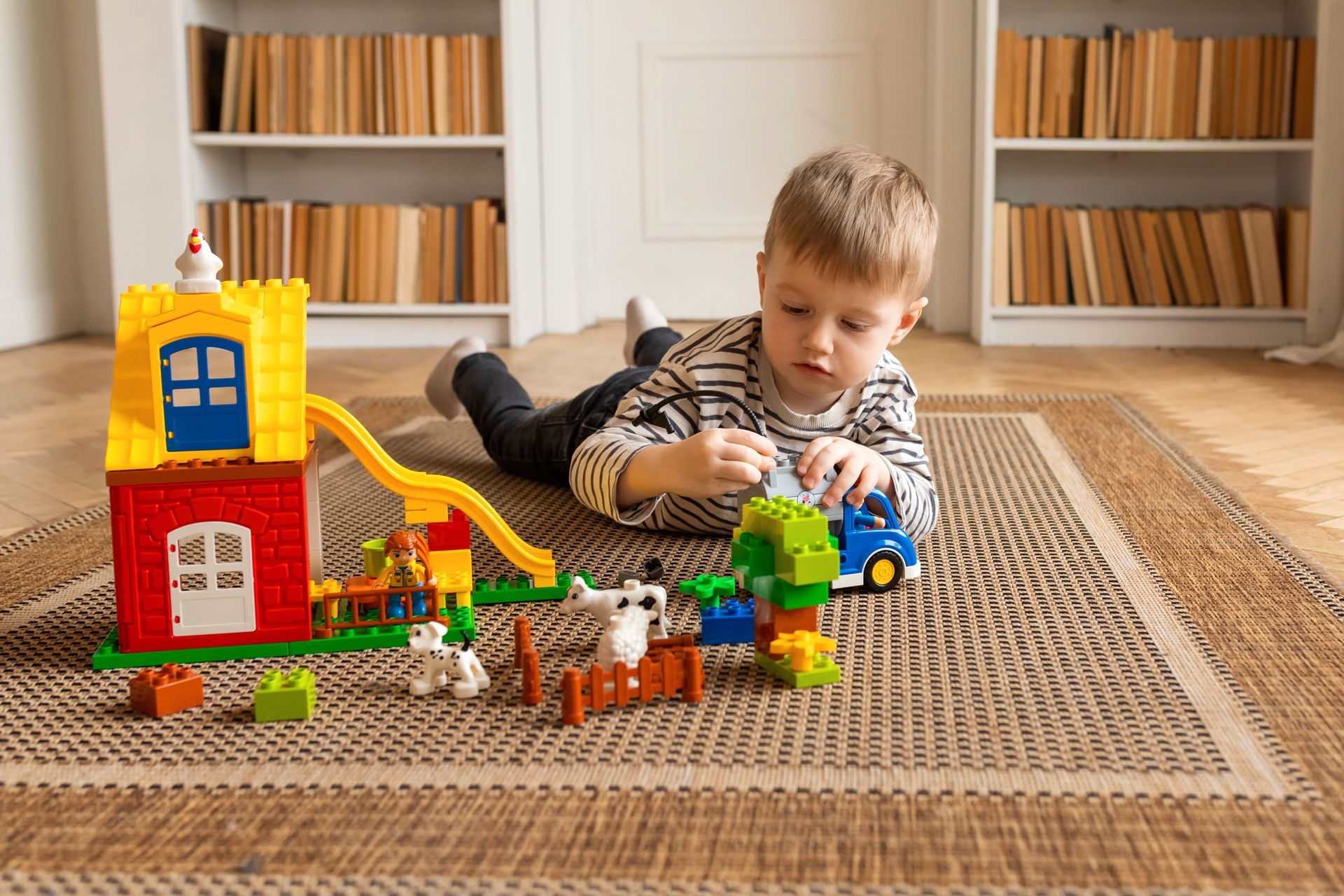
In a session with me, you will not find a child drilling worksheets or being asked to try harder. What you will find is intentional, movement-based, sensory-rich play that targets the exact skills ADHD makes difficult. We might work on body awareness and coordination through obstacle courses designed to build core strength and sequencing. We might use sensory tools to help a child regulate their nervous system before asking it to focus. We might practice the precise motor patterns needed for handwriting or self-care tasks. We might build a morning routine into a rhythmic ritual that the body learns to follow without a battle. Every activity has a purpose. None of it feels like therapy. All of it is.
How is OT for ADHD different from other therapies?
Where behavioral therapy works on patterns of thinking and response, and where medication addresses neurochemical regulation, occupational therapy works on function. It asks: what does this child need to do in their daily life, and what is getting in the way? Then it builds the skills, strategies, and sensory supports that make those daily tasks more accessible. OT does not compete with other approaches. It complements them. A child can be in behavioral therapy, on medication, and working with an OT at the same time, and each layer of support makes the others more effective.
What does ADHD feel like for a child's nervous system?
One of the most important shifts a parent can make is moving from asking "why won't my child just focus?" to asking "what is my child's nervous system actually experiencing right now?" ADHD is a neurological condition, and its effects are felt throughout the body, not just in the brain. The nervous system of a child with ADHD is often under-regulated, which means it is constantly searching for stimulation, novelty, or intensity just to reach a baseline state of alertness. That is not a choice. That is biology.
Is sensory processing connected to ADHD?
Sensory processing challenges and ADHD are not the same thing, but they overlap far more often than most people realize. Research suggests that a significant percentage of children with ADHD also experience sensory processing differences, meaning their nervous systems have difficulty filtering, organizing, and responding to sensory input in a regulated way. A child who cannot tolerate certain textures, who is overwhelmed by noise in a classroom, or who constantly seeks out crashing and spinning input is not being dramatic. Their nervous system is working overtime, and it is affecting everything from their attention to their behavior to their ability to learn.
Why do children with ADHD seek out intense sensory input?
Children with ADHD often seek out intense sensory input, running, crashing, spinning, touching everything, because their nervous system needs that input to self-regulate. It is not defiance. It is the body trying to find its own equilibrium. Occupational therapy gives those children better, more intentional tools to get that input in ways that build their nervous system rather than exhaust everyone around them.
What specific skills does OT build in children with ADHD?
Occupational therapy for ADHD is one of the most skill-rich interventions available to families because it addresses so many of the areas where ADHD creates friction. From executive function to fine motor coordination to emotional regulation, OT builds the functional capacities that ADHD makes difficult. And it does so through play, movement, and real-life practice, not drills and repetition.
How does OT support executive function in children with ADHD?
Executive function is the set of cognitive skills that help us plan, organize, initiate, and complete tasks. For children with ADHD, executive function is one of the most affected areas, which is why homework, morning routines, and multi-step tasks feel so disproportionately hard. Occupational therapy supports executive function by breaking tasks into manageable sequences, building visual and sensory cues that help the brain transition from one step to the next, and practicing those sequences in the real environments where they need to happen. Over time, what starts as a supported routine becomes an internalized rhythm. That is the goal.
Can occupational therapy improve fine motor skills in ADHD children?
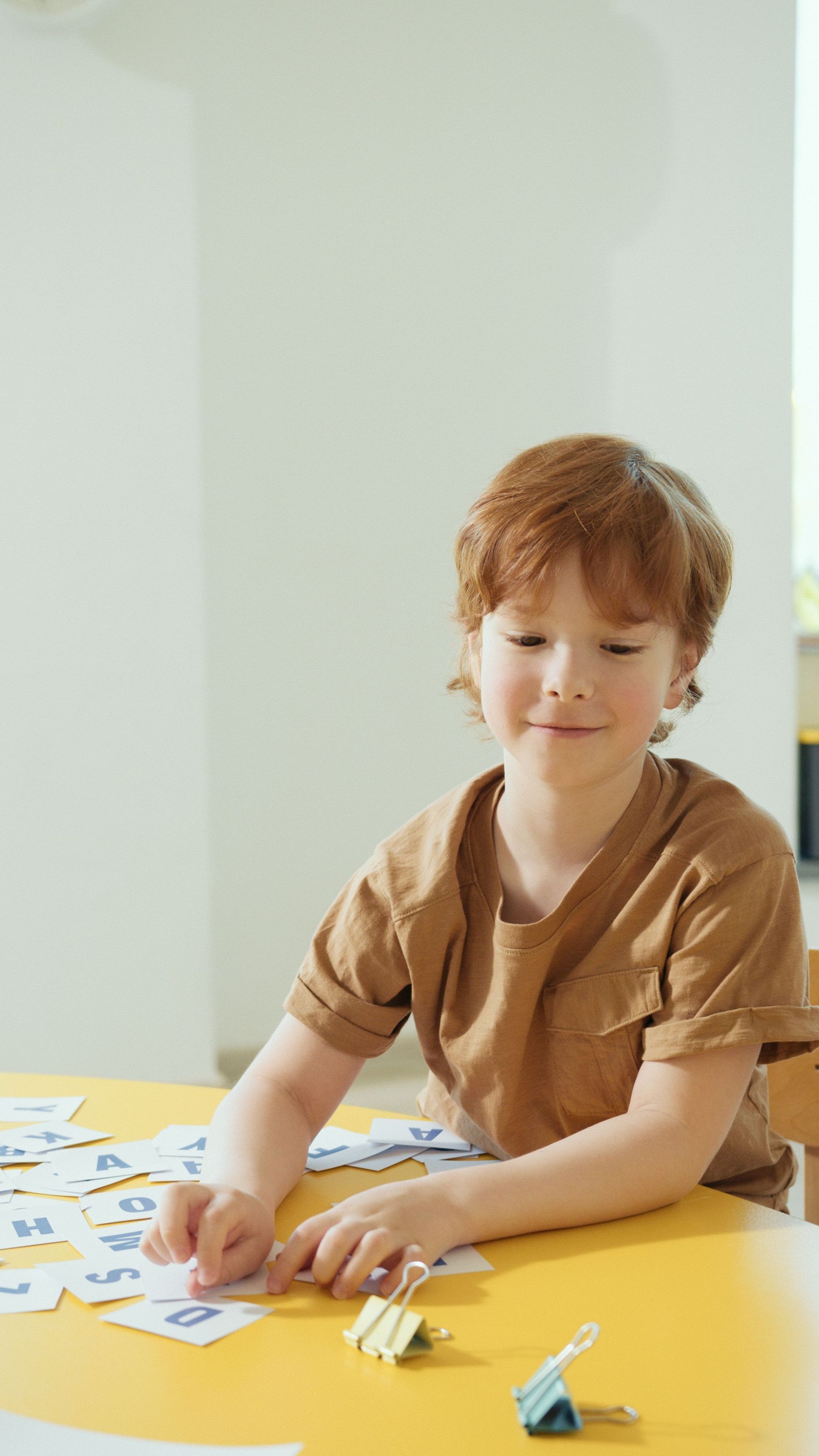
Yes, and this is often one of the first areas parents notice improvement. Children with ADHD frequently struggle with fine motor coordination because the same neurological differences that affect attention also affect the precision, sequencing, and sustained effort needed for tasks like handwriting, cutting, buttoning, and feeding. OT builds these skills through purposeful, engaging activities that strengthen hand muscles, improve grip patterns, and develop the motor planning required for daily tasks. When a child stops avoiding the pencil, when their writing becomes legible, when they can finally zip their own jacket without a meltdown, those are not small wins. They are life-changing ones.
How does OT help with emotional regulation in ADHD?
Emotional dysregulation is one of the most exhausting and least-discussed aspects of ADHD. Children with ADHD often experience emotions more intensely and have less access to the internal brakes that help regulate those feelings. This is not a character flaw. It is a nervous system reality. Occupational therapy addresses emotional regulation by teaching children to recognize the sensory and physical signals that come before a dysregulated moment, and by building a toolkit of strategies that help the nervous system find its way back to safety. In my work, this often involves sensory-based regulation tools, co-regulation practices, and the kind of rhythmic, grounding activities that nature and movement provide so naturally. To learn more about this specific area of my practice, you can visit my page on emotional regulation therapy and see how I approach this work with children and families.
What are the signs that a child with ADHD might benefit from OT?
Many families come to me after years of trying to manage their child's ADHD through behavioral strategies, school accommodations, and sheer patience, without ever knowing that occupational therapy was an option. The signs that a child could benefit from OT often show up not in dramatic crisis moments, but in the quiet daily friction that accumulates over time and wears everyone down.
What daily life struggles point toward needing OT support?
Watch for mornings that consistently spiral despite everyone's best efforts. Watch for a child who cannot move from one activity to another without explosive resistance. Watch for avoidance of writing, drawing, or any fine motor task. Watch for a child who cannot sit through a meal or a homework session without leaving the table, wandering, or creating chaos. Watch for self-care tasks like brushing teeth, getting dressed, or washing up that are still a daily battle well past the age when they should feel automatic. These are not phase-appropriate behaviors that will resolve on their own. They are signals that the nervous system needs targeted support, and that is exactly what OT provides.
Is it possible to have ADHD and sensory processing challenges at the same time?
Absolutely, and it is far more common than most parents are told. ADHD and sensory processing differences frequently co-occur, and when they do, the compounding effect on daily function can be significant. A child who is both attention-dysregulated and sensory-overwhelmed is navigating a world that asks more of their nervous system than it can consistently deliver. Getting support that addresses both dimensions, as occupational therapy does, is one of the most effective ways to help that child find their footing. You do not need to choose between addressing ADHD and addressing sensory needs. A good OT addresses both at the same time.
How many children in the US have ADHD?
According to the CDC, approximately 7 million children aged 3 to 17 in the United States have been diagnosed with ADHD, representing about 11.4 percent of children in that age range. And according to data compiled by LIV Hospital, ADHD is the most commonly diagnosed neurodevelopmental disorder in American children, with rates continuing to rise across all demographics. These numbers matter not because they define any individual child, but because they tell us something important: ADHD is not rare, it is not the result of bad parenting, and the need for skilled, body-based support is larger than our current systems are equipped to meet. Occupational therapy is one of the most evidence-backed, accessible, and effective ways to meet that need, and yet it remains underutilized by families who simply do not know it exists for this purpose.
Your child's ADHD is not a disorder of willpower
It is a nervous system that works differently and deserves support that meets it where it is. Occupational therapy for ADHD does not ask your child to be someone they are not. It builds the foundation they need to be fully, confidently, joyfully themselves. Every morning that gets a little easier, every transition that lands without a meltdown, every moment your child looks at a task and says "I can do this" is the whole point. That is what we are growing toward together.
You do not need to have everything figured out before you reach out. You just need to be ready to start. And I will meet you exactly where you are.
If you are in the Miami area and ready to explore how in-home occupational therapy could support your child, I would love to connect. Whether your child is navigating ADHD, sensory processing challenges, emotional dysregulation, or a combination of all three, there is a path forward that honors who they are and builds what they need.
Explore what occupational therapy in Miami Beach, FL looks like with Play2Learn Plant2Grow and let's start growing together.


Hi! I'm Erika Valdes Certified and Licensed Occupational Therapist (OTR)
Erika Valdes, OTR/L is a licensed occupational therapist with over 15 years of clinical experience supporting children and adolescents across school, home, and community environments.
Download my free guide