
Sensory activities for toddlers: play ideas, books, and everything you need at home
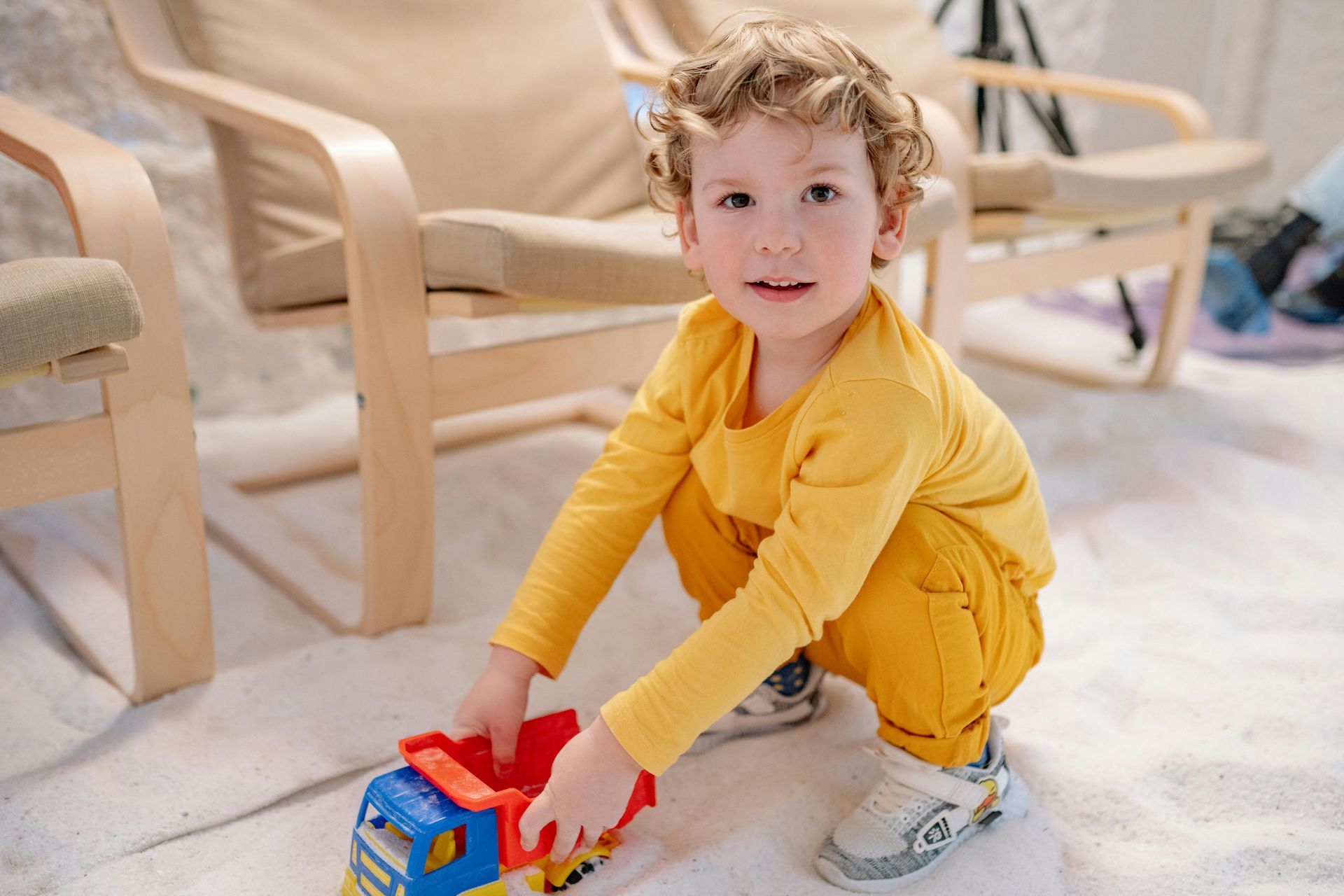
Your toddler just dumped an entire bowl of rice on the floor. Again. They are rubbing their hands in it, spreading it across the tile, looking up at you with the most satisfied expression you have ever seen. And you are standing there somewhere between exhausted and genuinely confused, wondering if this is normal, if you should stop it, or if somehow this is actually okay. Here is what I want you to know: that moment on the kitchen floor is not chaos. That is your child's nervous system doing exactly what it needs to do. It is asking for input, for texture, for sensation, for the kind of full-body engagement that sensory activities for toddlers are designed to provide on purpose.
This blog is your complete guide to sensory play for toddlers. By the time you finish reading, you will have a full list of activities you can set up with things already in your home, a materials checklist to save and reference, book recommendations with links, and a curated set of resources to help you go deeper. No special equipment required. No Pinterest-perfect setups needed. Just intentional, joyful, nervous-system-nourishing play.
In case you are new here, I am Erika, a pediatric therapist based in Miami, and I support children, families, and developing nervous systems through evidence-based therapy, sensory play, and mindful movement. If you want to explore how I support children through this kind of work, you can visit my page on occupational therapy for children and see how play and healing become the same thing in my practice.
What are sensory activities and why do toddlers need them?
Sensory activities are any experiences that engage one or more of the body's sensory systems: touch, movement, sight, sound, smell, taste, and the two often-overlooked senses of proprioception (body position and pressure) and vestibular input (balance and spatial orientation). For toddlers, whose nervous systems are in a critical period of development, sensory play is not optional enrichment. It is foundational. It is how they learn, regulate, connect, and grow.
When we talk about sensory activities for toddlers, we are talking about experiences that give the developing brain the rich, varied input it needs to build neural pathways, practice regulation, and make sense of the world. The toddler years are one of the most neurologically active periods of human life, and sensory play is one of the most powerful tools a parent has to support that development from the inside out.
What happens in a toddler's brain during sensory play?
During sensory play, the brain is doing an enormous amount of work beneath the surface. It is receiving input from the body, organizing that information, deciding how to respond, and filing it away as learning. Every time a toddler squishes playdough, wades through a pile of leaves, or spins in a circle until they fall over giggling, their brain is building the neural connections that will later support attention, coordination, emotional regulation, language, and social interaction. Sensory play is not a distraction from learning. It is the primary vehicle through which toddlers learn everything that matters.
What are the benefits of sensory activities for toddlers?
The benefits of sensory play are wide-ranging and deeply interconnected. Fine motor development improves as small hands practice squeezing, pinching, pouring, and manipulating different materials. Gross motor coordination builds through movement-based sensory experiences like crawling, climbing, and crashing. Language development accelerates because sensory play creates natural opportunities for naming, describing, and narrating experience. Emotional regulation strengthens as children learn to tolerate different textures, intensities, and sensations without becoming overwhelmed. And perhaps most importantly, sensory play builds the nervous system's capacity for self-regulation, the foundational skill that everything else in a child's development depends on.
Sensory activities for toddlers using things you already have at home
You do not need to buy a single thing to start offering your toddler rich, intentional sensory experiences. Your kitchen, your backyard, and your linen closet are already full of the raw materials for powerful sensory play. Here is how to use what you have.
Kitchen sensory play ideas
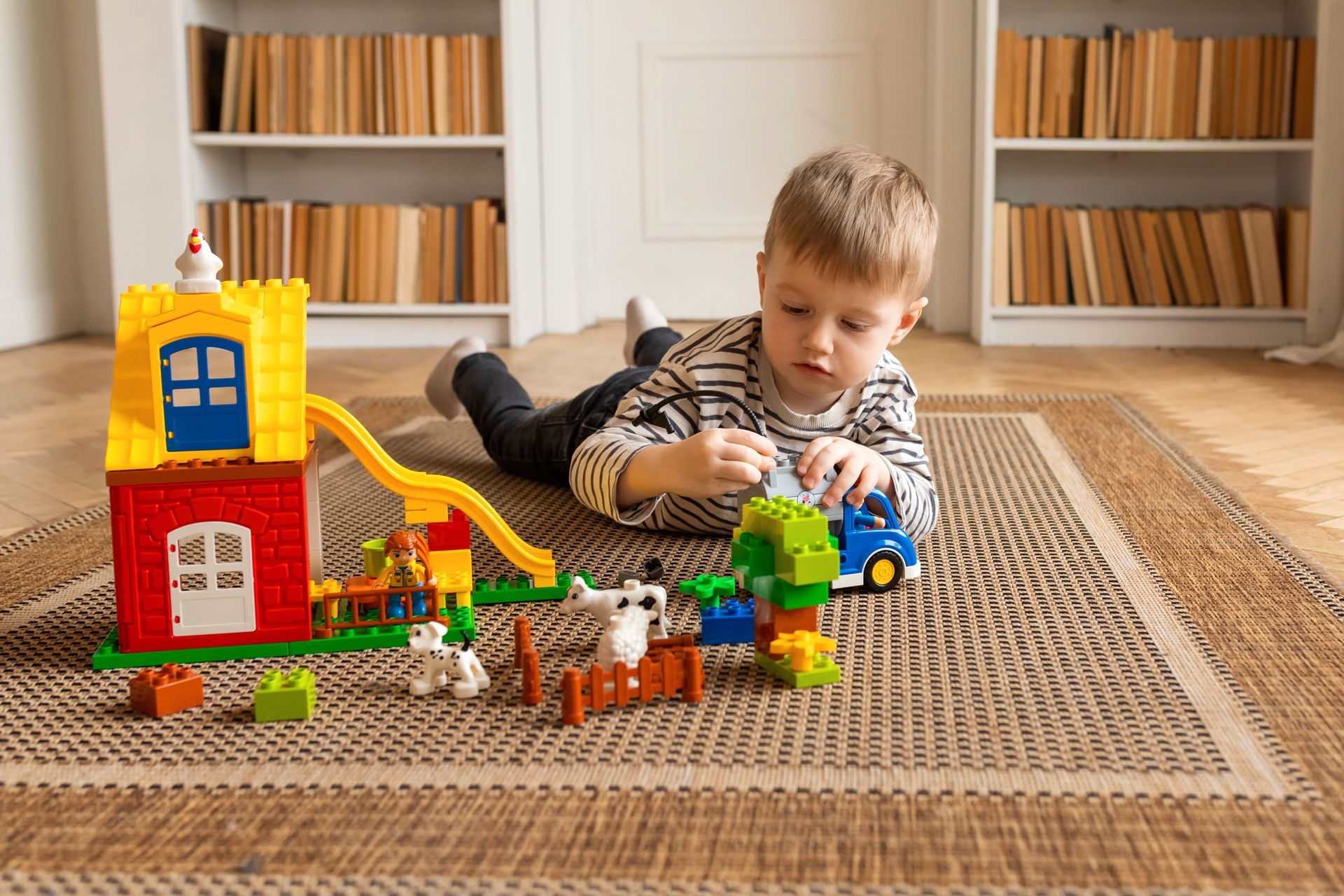
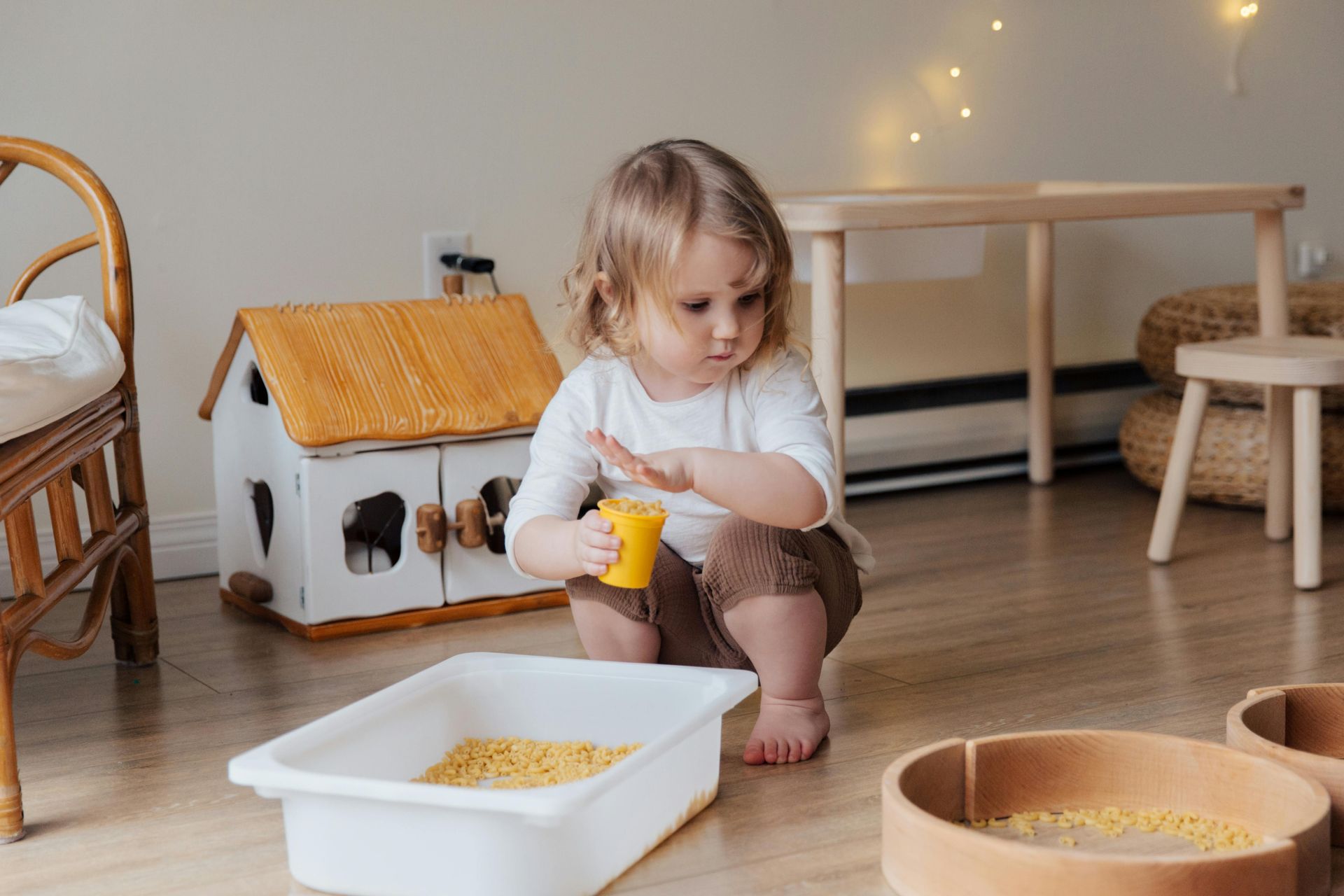
The kitchen is one of the best sensory environments in any home. Start with a simple dry sensory bin: fill a large bowl or container with uncooked rice, dried pasta, or dried beans and let your toddler dig, pour, scoop, and bury small toys. The tactile input from different textures, the sound of materials shifting, and the fine motor challenge of scooping and transferring all work together to engage multiple sensory systems at once.
Water play is another kitchen staple that never gets old. Fill a shallow bin or the sink with water and add cups, spoons, funnels, and small containers. Let your toddler pour, splash, and explore. For added sensory richness, add a few drops of food coloring, a squeeze of dish soap for bubbles, or a handful of ice cubes to introduce temperature as a sensory variable. Flour dough, coffee grounds mixed with a little water, and even a bowl of cooked and cooled oatmeal can all become rich tactile experiences that cost nothing and take minutes to set up.
Outdoor and nature-based sensory activities
Nature is the original sensory environment, and it is one I return to again and again in my practice because it offers something no manufactured toy can replicate: organic, unpredictable, multi-sensory richness. Let your toddler walk barefoot in grass, dig in soil, collect rocks and leaves, splash in puddles, and feel the difference between wet sand and dry sand. These experiences are not just fun. They are neurologically essential.
Gardening together is one of my favorite sensory activities because it combines proprioceptive input (digging, pressing, patting soil), tactile input (different textures of soil, seeds, leaves), visual input (colors, shapes, growth over time), and the profound sense of agency that comes from planting something and watching it grow. Even a small pot on a balcony becomes a sensory ritual when tended with intention. What you water, grows. That includes your child's nervous system.
Movement and body-based sensory play
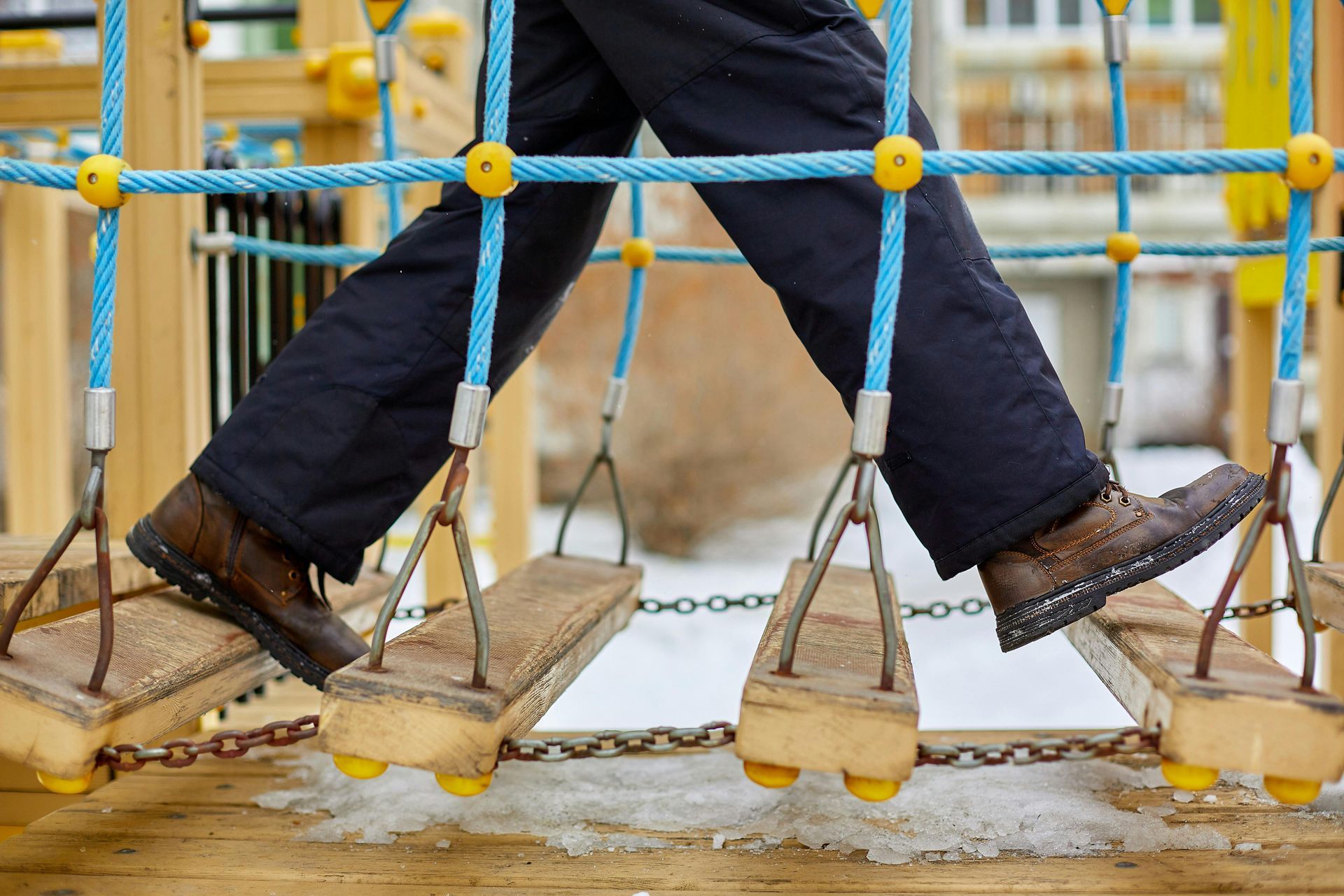
Movement is one of the most important and most underutilized forms of sensory input for toddlers. The vestibular system, which governs balance and spatial orientation, and the proprioceptive system, which processes body position and pressure, are both deeply nourished by movement-based play. Create a simple obstacle course using couch cushions, pillows, and blankets. Let your toddler crash into a pile of pillows, crawl under a table draped with a sheet, roll across a yoga mat, or carry a heavy basket of laundry from one room to another. These are not random activities. They are precision-targeted nervous system nourishment disguised as play.
Age-specific sensory activities: what works at each stage
Sensory play looks different at each stage of toddlerhood, and matching the activity to your child's developmental level makes the experience both safer and more effective. Here is a simple breakdown by age.
Sensory activities for 1 year olds
At this age, everything goes in the mouth, which means safety is the first filter for any sensory activity. Focus on edible or mouth-safe sensory experiences: cooked pasta in different shapes, mashed banana or avocado spread on a tray for finger painting, a shallow water bin with supervision, or a basket of household objects with different textures (a soft cloth, a wooden spoon, a silicone spatula, a crinkly bag). At one, the goal is simply exposure: let them touch, taste, squeeze, and explore without pressure or correction.
Sensory activities for 2 year olds
Two year olds are ready for more complexity and more mess. Playdough is a perfect sensory material at this age because it is endlessly manipulable, builds hand strength, and can be made at home with flour, salt, water, and cream of tartar. Sensory bins with rice, dried pasta, or kinetic sand become more engaging as fine motor coordination develops. Water play with pouring and transferring activities, finger painting with washable paint or even pudding on a tray, and simple nature scavenger hunts all offer rich sensory experiences that match this age's growing curiosity and motor capacity.
Sensory activities for 3 year olds
By three, most toddlers are ready for sensory activities that involve more sequencing, intentionality, and cooperative play. Simple cooking and baking projects offer extraordinary sensory richness: measuring, pouring, stirring, kneading, and smelling. Nature-based art projects using leaves, flowers, and natural pigments connect sensory play with creativity. Obstacle courses become more complex and more satisfying. And sensory play with a narrative, like setting up a pretend "mud kitchen" in the backyard or building a sensory bin with a specific theme, starts to bridge sensory development with imaginative and social play.
Sensory activities for toddlers who have sensory processing differences or ADHD
For some toddlers, sensory play is not just enrichment. It is medicine. Children who have sensory processing differences, ADHD, autism, or developmental delays often have nervous systems that are either significantly under-responsive (needing much more input than typical to reach a regulated state) or significantly over-responsive (becoming easily overwhelmed by input that other children barely notice). For these children, intentional, well-matched sensory activities are one of the most powerful regulatory tools available.
How do I know if my toddler has sensory processing challenges?
The signs can be subtle or dramatic, and they often show up as behavior before they are recognized as sensory. A sensory-seeking toddler might crash into everything, touch every surface, mouth objects past the typical developmental window, spin constantly, or need intense physical input to feel calm. A sensory-avoiding toddler might resist certain textures in food or clothing, become overwhelmed in noisy or busy environments, refuse to touch certain materials, or become dysregulated during everyday caregiving tasks like hair washing or nail cutting. Neither pattern means something is permanently wrong. Both patterns are signals that the nervous system needs targeted support, and sensory activities are often where that support begins.
What sensory activities help a dysregulated toddler calm down?
When a toddler is already dysregulated, the goal is not stimulation. It is regulation. The most effective calming sensory activities are those that provide deep pressure, slow rhythmic movement, or neutral tactile input. Wrapping a child snugly in a blanket and applying gentle pressure, offering a warm bath, doing slow rocking together, providing a small handful of playdough to squeeze, or sitting together and pressing hands firmly into a table are all ways to give the nervous system the grounding input it needs to find its way back to calm. These are not tricks. They are nervous system science applied with love.
Calming sensory activities for toddlers
Not all sensory play is high-energy. Some of the most important sensory activities for toddlers are the ones designed to bring the nervous system down, to shift from alerting to calming, from overwhelmed to grounded. Building a repertoire of calming sensory activities is one of the most valuable things a parent can do, because these become the tools you reach for when the day starts to spiral.
Heavy work activities that help toddlers regulate
Heavy work is the term occupational therapists use for activities that provide deep proprioceptive input through the muscles and joints. For toddlers, this might look like carrying a small backpack filled with a water bottle, pushing a laundry basket across the floor, crawling with a stuffed animal balanced on their back, pulling a wagon filled with toys, or doing wheelbarrow walking with a parent holding their legs. These activities are extraordinarily regulating because they give the nervous system the deep pressure input it craves, which activates the parasympathetic nervous system and helps the body find calm. When a toddler is about to melt down, heavy work is often the fastest path to regulation.
Tactile calming activities for overwhelmed toddlers
Slow, predictable tactile input is one of the most effective calming tools for an overwhelmed nervous system. Offer a shallow bin of kinetic sand and encourage slow, deliberate touching rather than high-energy play. Provide a small container of unscented lotion and do a gentle hand or foot massage together. Fill a bin with dry rice and let your toddler run their hands through it slowly. These activities work because they engage the tactile system with input that is neutral, rhythmic, and predictable, which is exactly what a dysregulated nervous system needs to find its footing again.
Sensory activity materials checklist
You do not need a specialty store to build a sensory toolkit for your toddler. Here is a practical checklist organized by what you likely already have and what is worth adding over time.
Items you already have at home:
- Uncooked rice or dried pasta
- Dried beans or lentils
- Flour and salt (for homemade playdough)
- Food coloring
- Measuring cups, spoons, and funnels
- Shallow bins, bowls, or baking trays
- Couch cushions and pillows
- Blankets and sheets
- Small household objects with different textures
- Water and ice cubes
- Soil and small plant pots
- Leaves, rocks, and natural materials from outdoors
- Washable paint or pudding for finger painting
- A laundry basket or small wagon for heavy work
Low-cost items worth adding:
- Kinetic sand
- Playdough (store-bought or homemade)
- Sensory bin with lid for storage
- Squeeze toys and fidget tools
- Small figurines or animals for sensory bin play
- Foam soap or shaving cream for tactile play
- Unscented lotion for massage
- Resistance bands for heavy work activities
Optional extras for a fuller sensory toolkit:
- Weighted blanket (toddler-appropriate weight)
- Mini trampoline
- Therapy putty
- Balance board or wobble cushion
- Sensory swing (if space allows)
Best books on sensory play for toddlers
These are the books I recommend most often to the families I work with. Some are for parents to read and learn from. Some are meant to be read with your toddler. All of them are worth having.
For parents:
- The Out-of-Sync Child by Carol Stock Kranowitz — the foundational text for understanding sensory processing differences in children. Clear, compassionate, and deeply practical.
- The Out-of-Sync Child Has Fun by Carol Stock Kranowitz — the companion activity book, full of sensory play ideas organized by sensory system and developmental stage.
- The Whole-Brain Child by Daniel J. Siegel and Tina Payne Bryson — not exclusively about sensory play, but essential reading for understanding how the developing brain processes experience, emotion, and regulation.
To read with your toddler:
- My Many Colored Days by Dr. Seuss — a beautiful introduction to the connection between feelings and the body, told through color and movement.
- Listening to My Body by Gabi Garcia — a gentle, accessible guide to helping toddlers notice and name what they feel in their bodies, a foundational interoceptive skill.
Expert resources for parents navigating sensory play
Beyond books, these are the organizations and resources I trust most when it comes to sensory development, sensory processing differences, and play-based support for toddlers.
- American Academy of Pediatrics (HealthyChildren.org) — evidence-based developmental guidance for parents, including articles on sensory development, play, and when to seek evaluation.
- Zero to Three — a nonprofit dedicated to the healthy development of infants and toddlers. Their resources on play, development, and early intervention are some of the most accessible and parent-friendly available.
- Play2Learn Plant2Grow — if you are in the Miami area and want personalized, in-home support for your toddler's sensory development, this is where to start.
Every child deserves a world that speaks their sensory language
Sensory activities for toddlers are not about creating the perfect play environment or following a rigid developmental checklist. They are about learning to see what your child's body is asking for and responding with presence, creativity, and joy. The rice on the floor is not a mess to clean up. It is a conversation your child is having with their nervous system. And now you know how to join it.
You do not need to be an occupational therapist to support your toddler's sensory development. You need curiosity, a few household materials, and the willingness to get on the floor and play.
If you are in the Miami area and want personalized, in-home support for your toddler's sensory needs, I would love to connect. Whether your child is sensory-seeking, sensory-avoiding, or simply thriving and you want to give their nervous system the best possible foundation, there is support available that meets your family exactly where you are.
Explore what occupational therapy in Miami Beach, FL looks like with Play2Learn Plant2Grow and let's start growing together.

Hi! I'm Erika Valdes Certified and Licensed Occupational Therapist (OTR)
Erika Valdes, OTR/L is a licensed occupational therapist with over 15 years of clinical experience supporting children and adolescents across school, home, and community environments.
Download my free guide