10 Signs your child may need sensory integration therapy

April 15, 2026

There are moments as a parent when you cannot quite explain what feels off,  but you feel it.


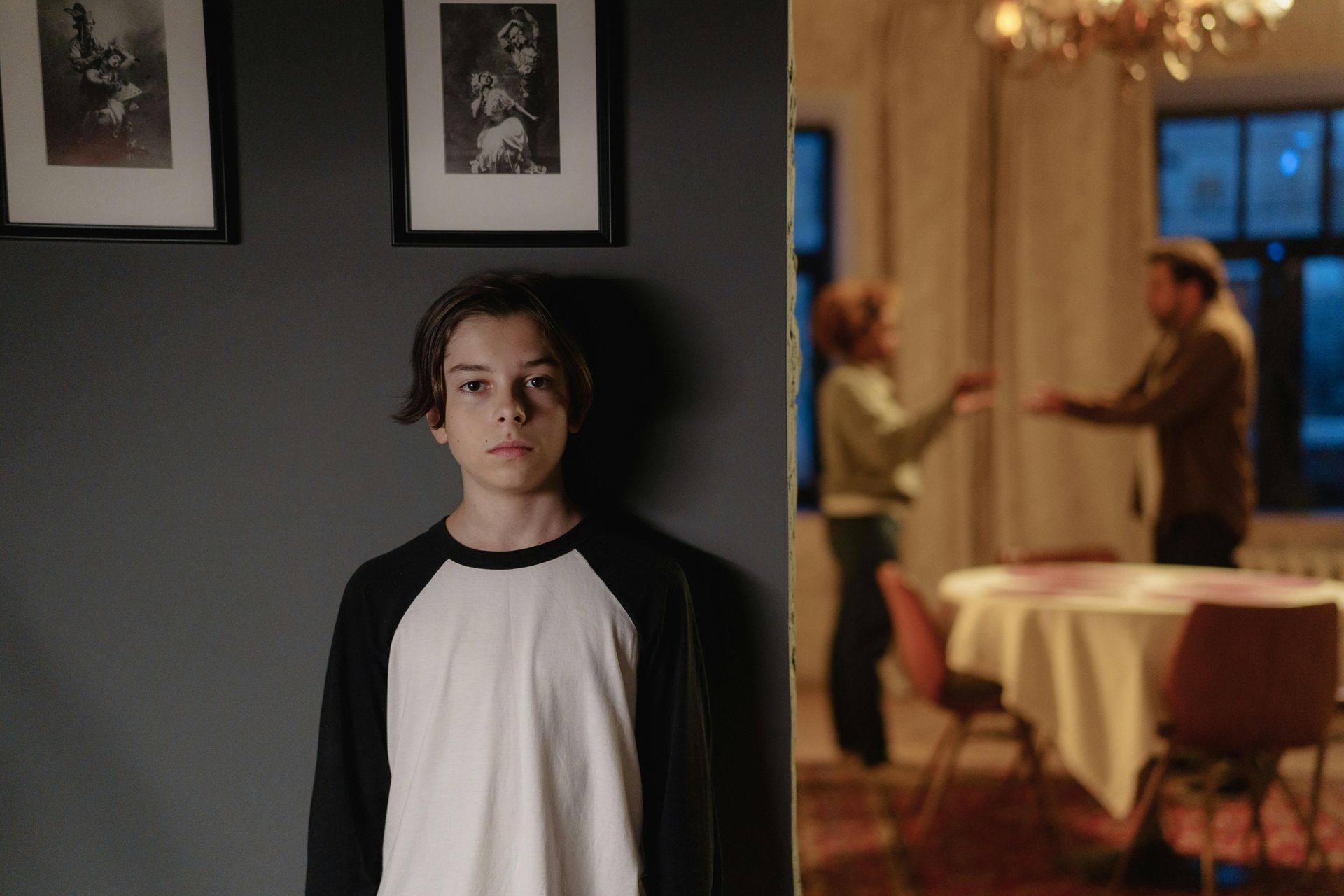
You notice your child reacts more intensely than other kids. Certain sounds instantly shift their mood. Transitions feel exhausting. Bedtime feels like a battle.


And somewhere inside, you start wondering if their nervous system might need more support.


If you have been searching for sensory integration therapy for children, you are likely trying to determine whether your child’s behavior is simply developmental or whether something deeper is happening beneath the surface.


Very often, what looks like stubbornness, distraction, or over-sensitivity is actually regulation.


I am Erika, founder of Play2Learn Plant2Grow, and I support families across Miami and nearby areas through in-home pediatric occupational therapy that blends movement, play, and ritual. My work is rooted in helping children grow strong minds, strong bodies, and strong roots while guiding parents to feel empowered, not outsourced.


If you are searching for support for sensory processing issues, I recommend starting with sensory integration therapy and occupational play therapy


Below, you will find 10 signs that may indicate your child could benefit from sensory integration therapy. But before we move into those signs, I want to briefly explain what sensory integration therapy is.


What is sensory integration therapy for children?


Every child’s brain is constantly receiving information. From touch. From movement. From sound. From light. From body awareness. When that information is organized efficiently, children can regulate emotions, focus attention, move with coordination, and transition between activities more smoothly.


When that system struggles, the body compensates.

  • Some children move constantly because they need more input to feel organized.
  • Some avoid stimulation because everything feels too intense.
  • Some fluctuate between both throughout the day.


Sensory integration therapy is a specialized approach within occupational therapy that helps the nervous system process and respond to sensory input more effectively and in a more balanced way through structured, intentional movement and play.


If you would like a deeper breakdown of how sensory patterns show up across daily life, you may also find it helpful to read “Sensory Processing Disorder Checklist: When to Seek Help in Miami.” It walks through common signs parents notice at home and school.

And if you are wondering what to actually do next, I invite you to explore “Sensory processing issues in children: what to do and how in-home therapy in Miami can help your child bloom.” That guide goes further into causes, implications, and how in-home support can make daily routines feel lighter.


So how do you know if this might apply to your child?


Below are ten signs I commonly see in children who benefit from sensory integration therapy. You do not need all ten. Even a few consistent patterns can be meaningful.

 sensory integration therapy children

1. Your child is constantly moving and cannot seem to slow down

If your child is always climbing, spinning, jumping, crashing into furniture, or fidgeting nonstop, this may not simply be high energy.


It may be sensory seeking.


Some nervous systems require more input to feel organized. Without it, stillness feels uncomfortable, and focus becomes harder.


2. Small sensory experiences trigger big reactions

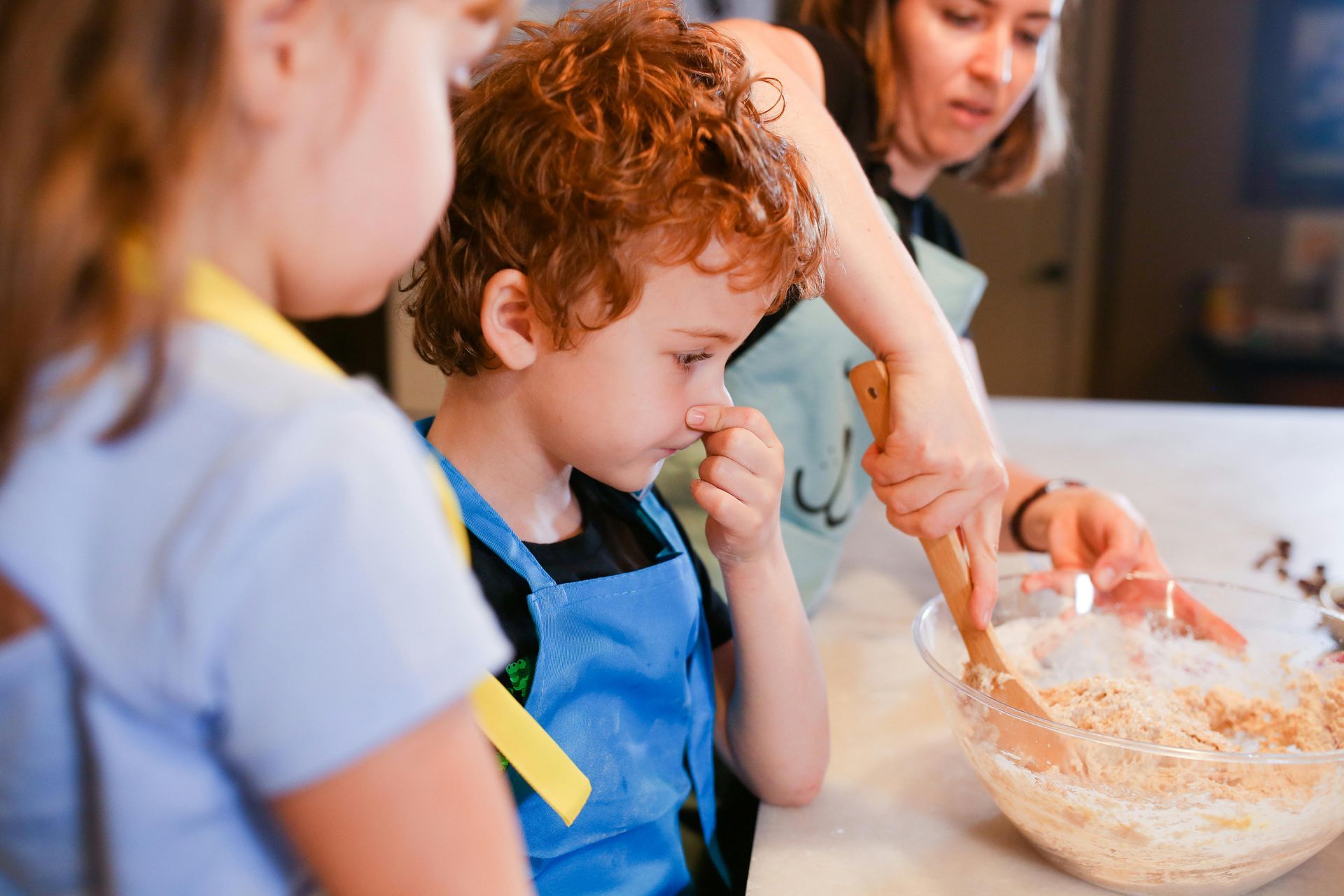
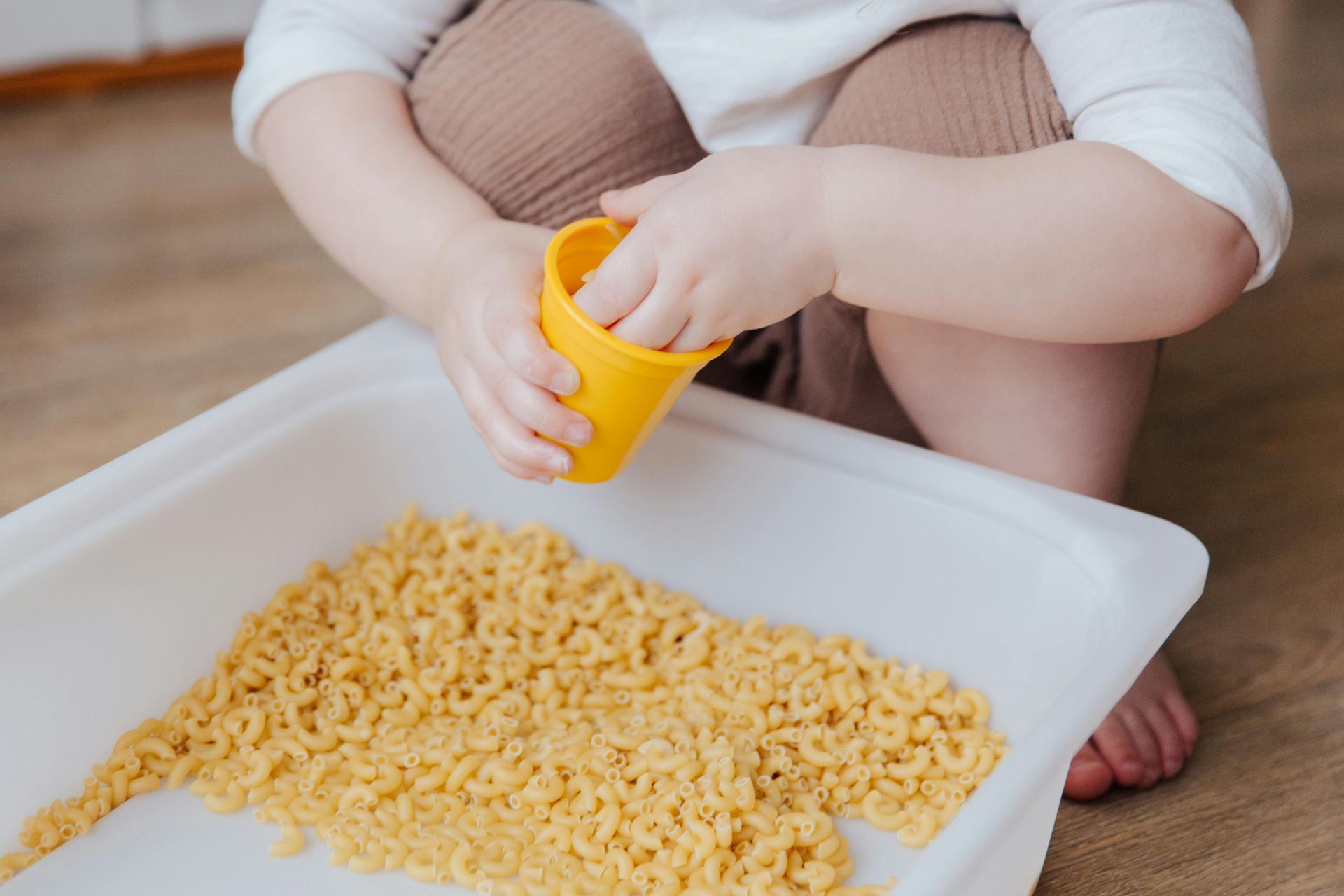
Refusing certain clothing. Covering ears in everyday environments. Avoiding messy textures. Gagging on specific foods.


Extreme sensitivity to touch, sound, or texture is a common sign of sensory processing challenges.


3. Transitions feel overwhelming

Moving from playtime to bedtime. Leaving the house. Ending screen time.


If transitions regularly lead to meltdowns, it may not be about behavior. It may be about regulation fatigue.


Shifting states requires nervous system flexibility.


4. Your child avoids specific activities

Avoiding playground equipment. Refusing art projects. Resisting hair brushing or nail trimming.


Avoidance is often protective. The body is trying to reduce input that feels overwhelming.


5. Focus improves only with movement

Some children concentrate better while standing, rocking, or holding something.


If stillness makes attention worse rather than better, sensory integration may be involved.


6. Coordination feels harder than expected

Frequent tripping. Difficulty with balance. Trouble judging personal space.


Body awareness and coordination rely heavily on sensory processing.


7. Sleep is inconsistent or restless

If your child struggles to wind down or remains restless at night, their nervous system may have difficulty shifting into a calm state.


Regulation skills affect the entire day and night.


8. Busy environments lead to shutdown or meltdowns

Birthday parties. Grocery stores. School assemblies.


Layered sensory input can overwhelm a nervous system that already struggles to filter stimulation.


9. Emotional reactions escalate quickly

Big reactions to small changes. Sudden frustration. Rapid shutdown.


When sensory processing is inefficient, emotional regulation becomes harder because the body is already working overtime.


10. Traditional discipline strategies are not working

If behavior charts, consequences, or repeated reminders are not improving the situation, it may be because behavior is not the root issue.


When regulation is the missing piece, discipline alone cannot solve the problem.

Sensory integration therapy for children in Miami


If you are looking for sensory integration therapy for children in Miami or nearby areas, in-home pediatric occupational therapy allows support to happen inside your real routines.

Inside your hallway.


Inside your bedtime transitions.
Inside your everyday rhythm.


Through intentional movement and structured play, children learn to organize their bodies and emotions with more confidence. And when regulation improves, connection improves.

If you are curious whether sensory integration therapy could support your child, reaching out for a consultation is a gentle next step.


Support does not mean something is wrong.
It means you are paying attention.

Hi! I'm Dr. J (Jackie Johnson)

A pediatric occupational therapist, former elementary school teacher, and plant ritual facilitator

Download my free guide

 ADHD sensory processing disorder
March 30, 2026
Confused about ADHD and sensory processing disorder? Learn how they overlap, how to identify sensory seeking and avoidance, and how therapy can support your child.
Sensory processing issues
March 24, 2026
Worried about sensory processing issues? Learn how home pediatric occupational therapy, sensory integration therapy in Miami can help your child thrive.