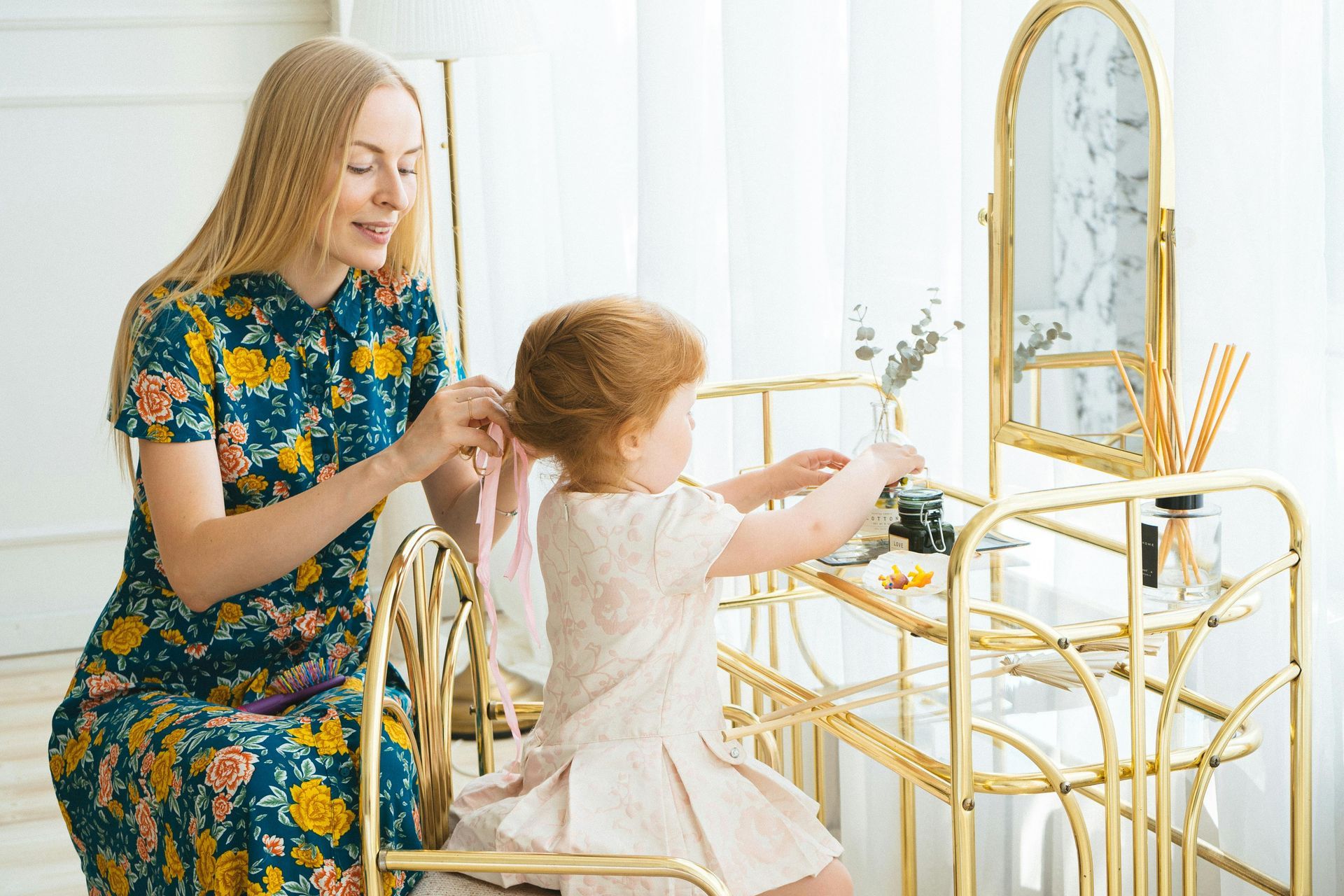
Confused about ADHD and sensory processing disorder? Signs, overlap, and how therapy can help.
If you have been searching for ADHD sensory processing disorder, you are likely noticing something that does not fit neatly into one box.
Maybe your child cannot sit still, crashes into furniture, and struggles to focus. Maybe loud environments feel overwhelming. Maybe transitions lead to emotional explosions. And you are wondering, is this ADHD, sensory processing disorder, or both?
When ADHD and sensory issues overlap, daily life can feel confusing. One moment, your child is moving nonstop. The next moment, they are shutting down because everything feels too loud, too bright, or too much.
I am Erika, founder of Play2Learn Plant2Grow, and I support families across Miami and nearby areas through in-home pediatric occupational therapy that blends movement, play, and ritual. My work is rooted in helping children grow strong minds, strong bodies, and strong roots while guiding parents to feel empowered, not outsourced.
If you are searching for support for ADHD, sensory processing issues, or both, I recommend starting with sensory integration therapy and occupational play therapy.
Through intentional sensory integration and play-based therapeutic support, I help children with sensory processing issues feel safe in their bodies and confident in their world.
What is ADHD sensory processing disorder?
ADHD and sensory processing disorder are two separate conditions, but they often overlap.
ADHD affects attention, impulse control, and executive functioning. Sensory processing disorder affects how the brain organizes and responds to sensory input such as touch, movement, sound, and light.
When people search for sensory processing disorder and ADHD or ADHD and sensory disorder, they are usually trying to understand why their child shows signs of both.
Both conditions involve nervous system regulation. When the nervous system struggles to organize stimulation efficiently, focus, behavior, and emotional regulation are all impacted.
That is why they are often confused.
How do ADHD and sensory issues overlap?
Here is something important that many parents are not told.
Children with ADHD frequently experience both sensory seeking and sensory avoidance patterns.
Most people think ADHD is only about inattention or hyperactivity. But ADHD sensory issues are deeply connected to how the nervous system regulates stimulation.
This means a child with ADHD may:
- Seek extra sensory input
- Avoid overwhelming sensory input
- Shift between both throughout the day
Because sensory seeking ADHD behaviors can look like impulsivity, and sensory avoidance can look like anxiety or defiance, they are often misunderstood.
Very few people explain that ADHD and sensory processing can coexist in this way. Understanding this changes how we respond.
Sensory seeking ADHD behaviors
Sensory seeking ADHD behaviors happen when the nervous system is under-stimulated and looking for more input.
You may notice:
- Constant movement
- Crashing into furniture
- Fidgeting nonstop
- Chewing on objects
- Touching everything
- Talking loudly
This is not just hyperactivity. It is regulation seeking. When that need is met intentionally through structured movement and sensory input, attention often improves.
Sensory avoidance in children with ADHD
Sensory avoidance can exist alongside sensory seeking, even in the same child.
You may see:
- Covering ears in loud spaces
- Refusing certain clothing textures
- Avoiding messy activities
- Becoming overwhelmed in crowded places
- Emotional shutdown after stimulation
These behaviors are protective. The nervous system is trying to prevent overload.
This is why ADHD and sensory issues can look inconsistent. The child is constantly trying to find balance.
Can a child have both ADHD and sensory processing disorder?
Yes. Research shows that sensory processing differences are common in children with ADHD. Sensory processing and ADHD frequently overlap, and many children meet criteria for both.
This does not mean something is wrong with your child. It means their nervous system processes input differently.
When we approach both through the lens of regulation, we stop focusing only on behavior and start building skills.
How to tell the difference between ADHD and sensory processing issues?
This is one of the most common questions parents ask.
Attention-driven challenges usually appear across environments, even when sensory input is manageable.
Sensory-driven challenges often vary with stimulation. A child may focus well in a quiet room but struggle in noisy spaces.
For example:
- If your child cannot focus because the classroom feels overwhelming, that may be sensory processing.
- If your child struggles with focus even in calm environments, that may be more closely related to ADHD executive functioning.
-
A comprehensive evaluation helps clarify the difference and identify how they overlap.

How is ADHD sensory processing disorder diagnosed?
There is no single test. Diagnosis often includes:
- Behavioral evaluation for ADHD
- Occupational therapy evaluation for sensory processing
- Parent interviews
- School collaboration
- Clinical observation
How is ADHD sensory processing disorder treated?
Treatment focuses on nervous system regulation and functional skills.
Sensory integration therapy helps the brain organize sensory input more effectively through structured and intentional movement experiences.
Occupational play therapy uses play as the pathway to build regulation, coordination, focus, and emotional resilience.
When therapy happens in real-life settings, strategies become sustainable. Children learn to regulate inside their actual routines, not just in isolated sessions.
When the body feels organized, attention and emotional regulation often improve.
The goal is not to remove sensitivity. The goal is to help your child feel safe in their body and confident in their world.
At this point, you might be thinking, this is a lot of information. And it is. ADHD and sensory processing disorder can overlap in complex ways, and it is easy to feel overwhelmed trying to connect all the pieces. So instead of adding more noise, I want to simplify it. Below, I have gathered the most important points into a few key questions and answers. You can save them, take a screenshot, or come back to them whenever you need clarity. Sometimes having the essentials in one place makes everything feel more manageable.
Is sensory processing disorder part of ADHD?
Sensory processing disorder is not officially classified as part of ADHD. However, sensory challenges are extremely common in children with ADHD.
They are distinct conditions that frequently overlap because both involve regulation of the nervous system.
Can ADHD cause sensory issues?
ADHD does not directly cause sensory processing differences, but the neurological patterns in ADHD often include differences in how sensory information is regulated. That is why ADHD sensory issues are so common.
What does sensory seeking ADHD look like?
Sensory seeking ADHD often looks like excessive movement, impulsivity, difficulty sitting still, and constant physical engagement with the environment. The difference is intention. The body is trying to regulate itself.
Can sensory therapy help ADHD?
Yes. Sensory integration therapy and occupational play therapy can significantly support children with ADHD by improving nervous system organization. When regulation improves, attention, impulse control, and emotional resilience often follow.
What to do next if this sounds familiar
Understanding your child’s sensory profile is the first step toward calmer mornings, smoother transitions, and greater confidence. With intentional sensory integration and play-based therapeutic support, children learn to regulate, focus, and trust their bodies.
And when regulation improves, everything else begins to feel lighter.
Growth does not have to feel chaotic.
It can feel rhythmic.
It can feel supported.

Hi! I'm Erika Valdes
A pediatric occupational therapist, former elementary school teacher, and plant ritual facilitator
Download my free guide