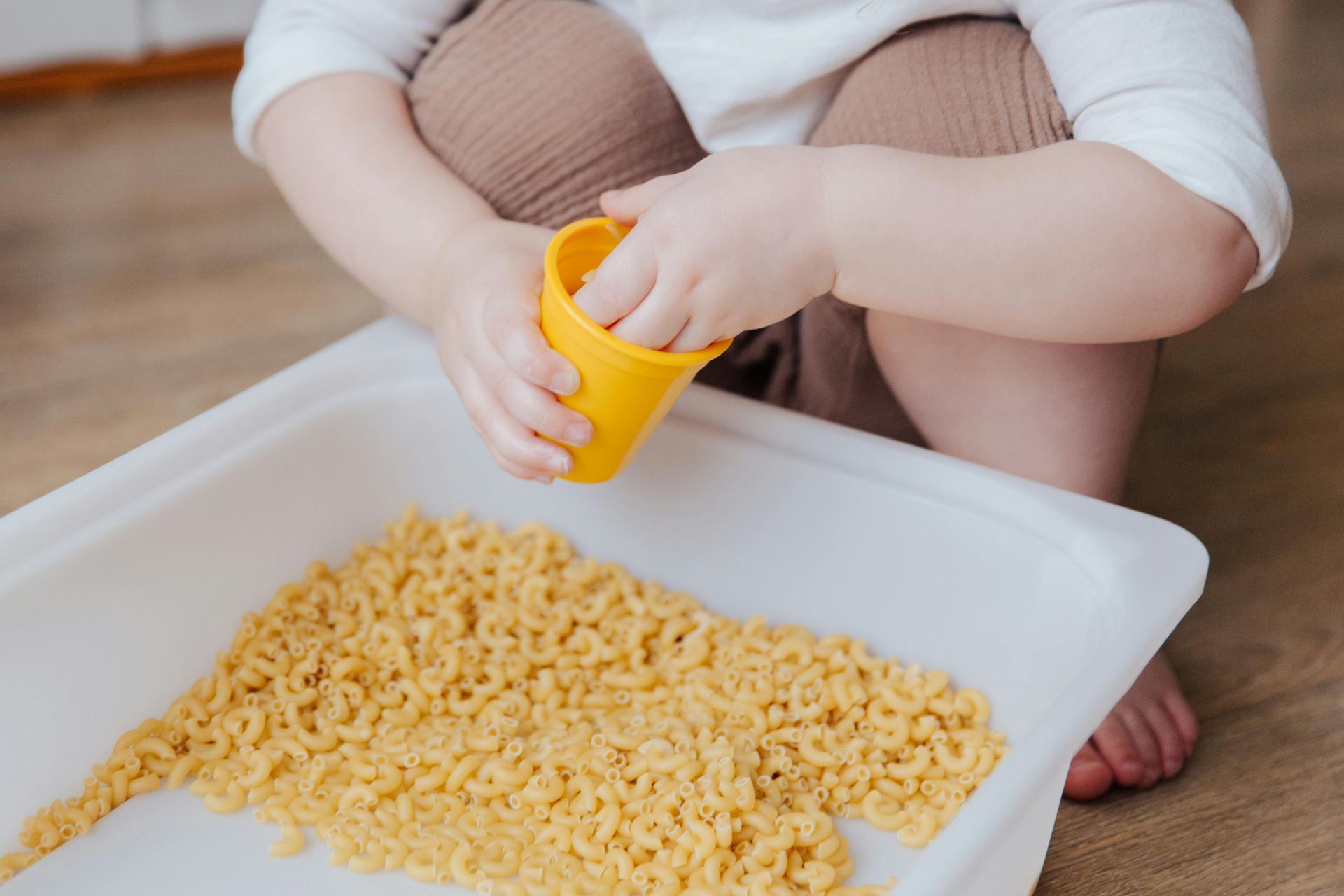
How in-home occupational therapy helps Miami kids master daily tasks

May 29, 2026

For many families, the hardest parts of the day are not dramatic.


They are ordinary.


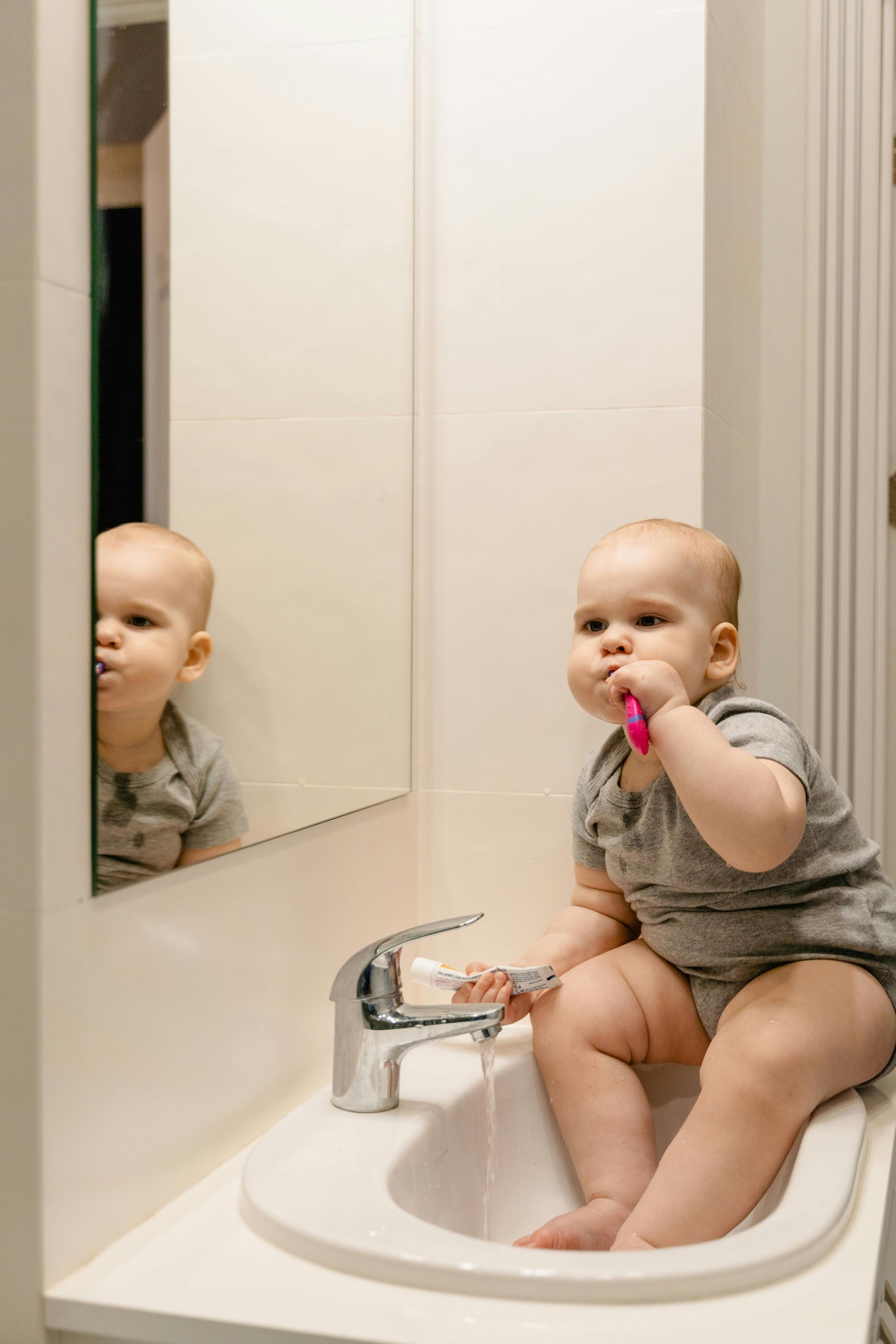
Getting dressed without frustration. Brushing teeth without a battle. Sitting long enough to complete homework. Leaving the house without a meltdown. Falling asleep without chaos.


These are the moments that quietly shape a child’s confidence.


When daily tasks feel overwhelming, it is rarely about laziness or defiance. It is often about sensory processing, motor coordination, emotional regulation, or executive functioning skills that need support.


I am Erika, founder of Play2Learn Plant2Grow, and I support families across Miami and nearby areas through in-home pediatric occupational therapy that blends movement, play, and ritual. My work is rooted in helping children grow strong minds, strong bodies, and strong roots while guiding parents to feel empowered, not outsourced.


Through in-home occupational therapy and occupational play therapy, I focus on turning daily struggles into daily wins by meeting your child where they are and supporting meaningful milestones with confidence, planting seeds of connection, growth, and resilience to thrive in life.


Here is how that actually works.


What is in-home occupational therapy?

In-home occupational therapy is pediatric occupational therapy delivered inside your child’s natural environment.


Instead of practicing skills in a clinic and hoping they transfer home, therapy happens inside the routines that matter most:

  • Dressing in their own bedroom
  • Homework at their real desk
  • Mealtime at their family table
  • Bedtime in their own space
  • Transitions inside your actual schedule


This approach increases carryover because the learning happens in a real context. When therapy happens at home, it becomes integrated into your rhythm instead of feeling like a separate appointment.

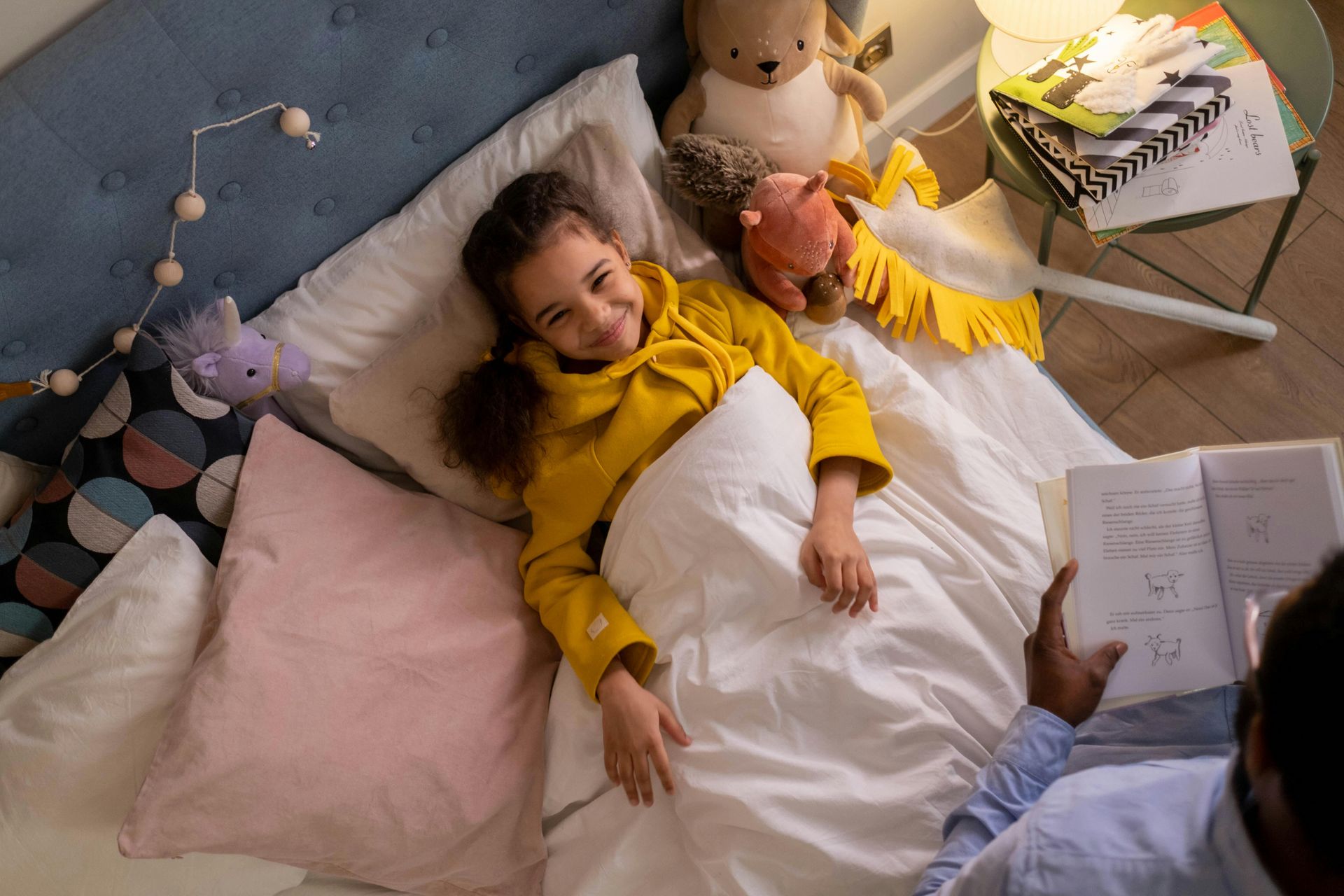
 in-home occupational therapy

How do I know if my child needs in-home occupational therapy?

In-home occupational therapy is especially helpful when the challenges you are seeing occur within daily routines, not just in structured environments. Your child may benefit from in-home OT if:

  • Mornings feel chaotic and consistently stressful
  • Getting dressed takes 30 to 45 minutes daily
  • Homework turns into tears or avoidance
  • Bedtime feels dysregulated or overstimulating
  • Transitions at home trigger frequent meltdowns
  • Skills practiced in the clinic do not transfer into real life
  • You feel unsure how to support your child between sessions


If the struggle lives at home, the support should too. In-home occupational therapy allows us to observe real patterns, in real time, inside the spaces where the friction actually happens.


Why in-home occupational therapy works better for daily tasks

Children do not struggle in isolation. They struggle with routines.


And routines are layered. They require:

  • Motor strength
  • Coordination
  • Sensory regulation
  • Emotional flexibility
  • Sequencing
  • Attention


When one piece is inefficient, the entire routine feels heavy. In-home occupational therapy rebuilds the routine from the inside out.

How routines are rebuilt inside in-home OT


Step 1: Identify where the breakdown happens

If getting dressed takes 40 minutes, we do not just practice buttons.


We look at:

  • Is hand strength limiting independence?
  • Is clothing texture triggering sensory overload?
  • Is sequencing confusing?
  • Is posture affecting stability?
  • Is the transition itself dysregulating?


We identify the true friction point instead of treating the surface behavior.


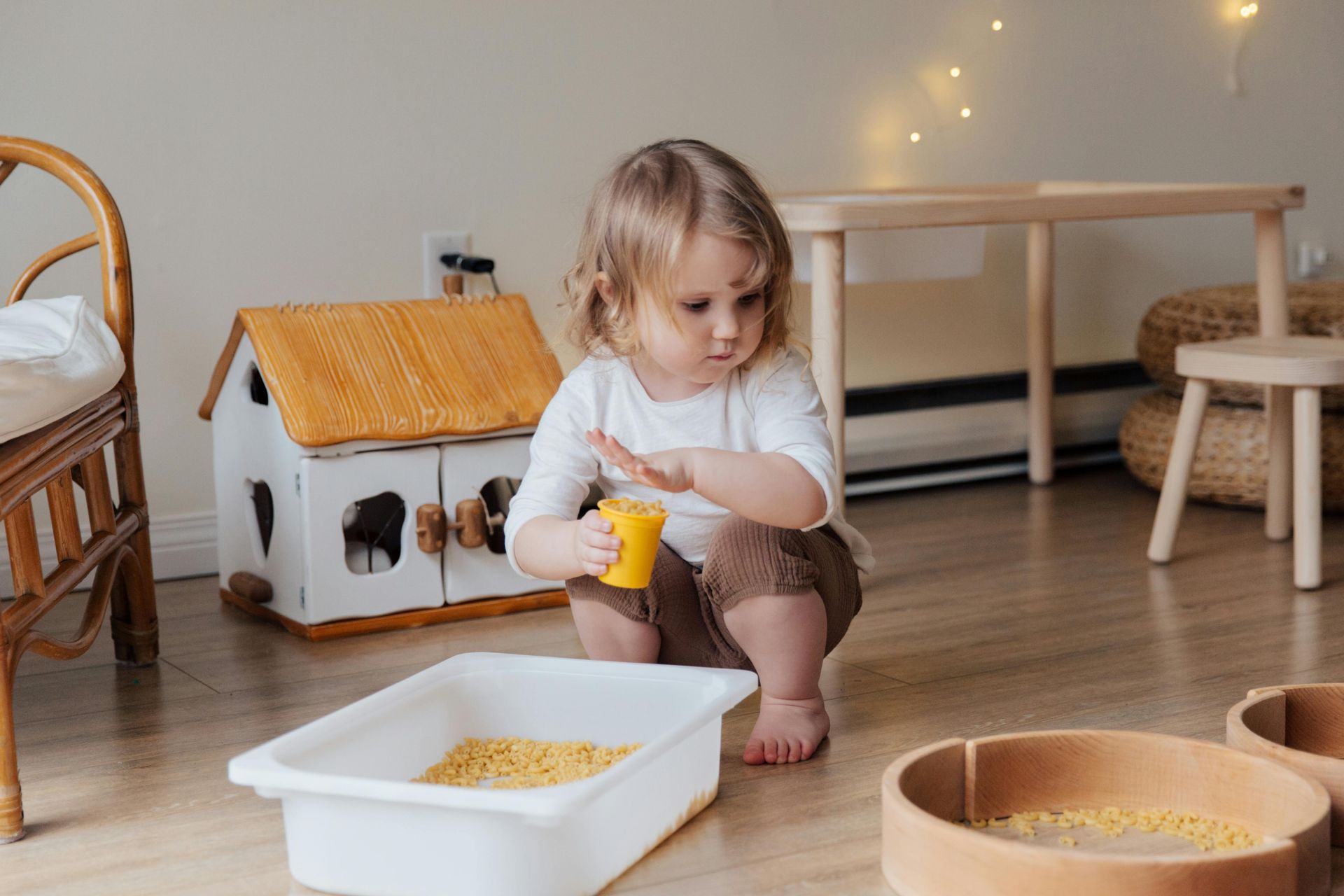
Step 2: Strengthen the underlying skill through play


Once the root is clear, we build that capacity using occupational play therapy.


If core strength is weak, we might use:

  • Crawling obstacle courses
  • Balance games
  • Climbing and weight-bearing play


If fine motor strength is limited, we may incorporate:

  • Resistance putty
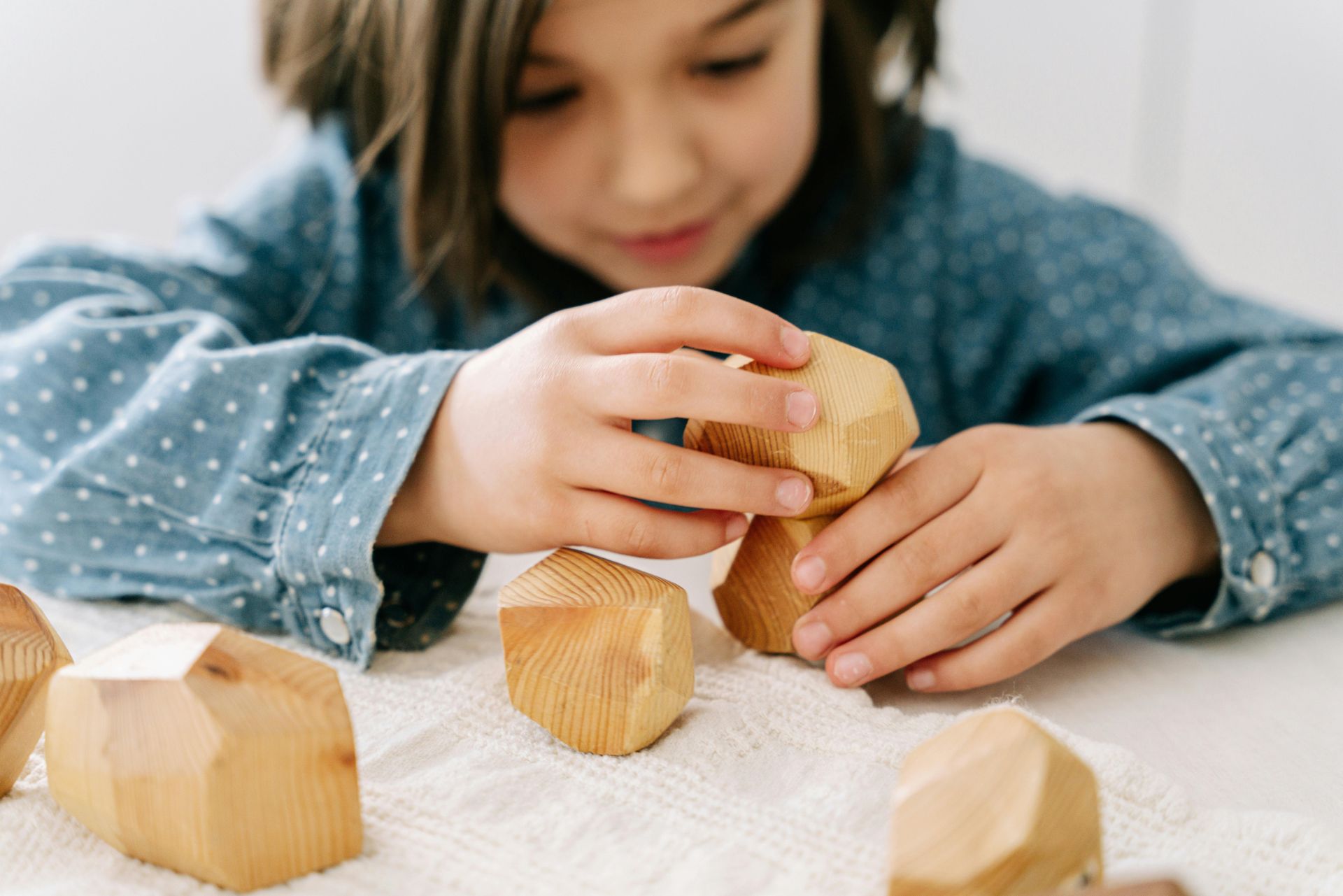
  • Bead threading
  • Tool-based play that strengthens finger isolation


If sensory regulation is the issue, we integrate:

  • Deep pressure input
  • Heavy work activities
  • Structured movement before seated tasks


We do not force the routine. We build the body’s readiness for the routine.


Step 3: Practice inside the real environment


This is where in-home occupational therapy becomes powerful.


We do not simulate dressing. We dress in the real bedroom.


We do not pretend to do homework. We work at the actual desk.


We adjust the environment:

  • Lay clothing in sequence
  • Reduce sensory triggers
  • Add visual supports
  • Create predictable transitions


Small environmental adjustments reduce cognitive load and increase success.


Step 4: Build rhythm and predictability


Routines succeed when the nervous system feels safe.


We create:

  • Visual schedules
  • Consistent task order
  • Movement before seated work
  • Regulation breaks are built into transitions


For example:

  • Before homework → 5 minutes of heavy work
  • Before bedtime → calming proprioceptive input
  • Before leaving the house → structured sequencing ritual


These small anchors regulate the body before the demand begins.

What daily skills does in-home OT improve?

In-home occupational therapy supports meaningful daily living skills such as:


Fine motor skills

  1. Handwriting
  2. Buttoning and zipping
  3. Cutting with scissors
  4. Using utensils
  5. Managing school materials


Gross motor skills

  1. Core strength
  2. Balance
  3. Coordination
  4. Postural control


Sensory regulation

  1. Reducing meltdowns
  2. Managing overstimulation
  3. Improving transitions
  4. Increasing body awareness


Executive functioning

  • Task initiation
  • Organization
  • Follow-through
  • Attention during routines


When these foundational systems strengthen, daily life becomes lighter.


In-home OT vs clinic-based OT


Both approaches have value, but they serve families differently.


In-home occupational therapy:

  • Happens in real-life environments
  • Provides immediate carryover
  • Includes parent coaching
  • Integrates into daily routines


Clinic-based occupational therapy:

  • Occurs in a controlled setting
  • Requires skill transfer home
  • May limit real-time routine support


For families struggling with daily tasks, in-home OT often accelerates meaningful change because the work happens exactly where the challenges occur.


In-home occupational therapy in Miami: planting seeds for long-term confidence


Families across Miami choose in-home occupational therapy because it respects real life.


It does not add pressure.
It refines what already exists.


We are not just building motor skills. We are restoring rhythm to mornings.
Creating smoother transitions.
Strengthening independence in small, powerful ways.


When daily struggles become daily wins, confidence grows naturally. If your family’s routines feel heavier than they should, in-home occupational therapy may be the bridge between frustration and growth.


You do not need to wait for things to get worse. You can begin planting stronger roots now. Book a consultation today to feel understood.

Hi! I'm Erika Valdes

A pediatric occupational therapist, former elementary school teacher, and plant ritual facilitator

Download my free guide

 motor skills therapy
May 19, 2026
Fine motor skills milestones: what Miami parents should watch for
sensory processing disorder checklist
April 28, 2026
Use this sensory processing disorder checklist to identify common signs in children and learn when to seek professional support in Miami.
 sensory integration therapy children
April 15, 2026
Worried about your child’s regulation or behavior? Learn the 10 signs your child may need sensory integration therapy and how it can help.
 ADHD sensory processing disorder
March 30, 2026
Confused about ADHD and sensory processing disorder? Learn how they overlap, how to identify sensory seeking and avoidance, and how therapy can support your child.
Sensory processing issues
March 24, 2026
Worried about sensory processing issues? Learn how home pediatric occupational therapy, sensory integration therapy in Miami can help your child thrive.