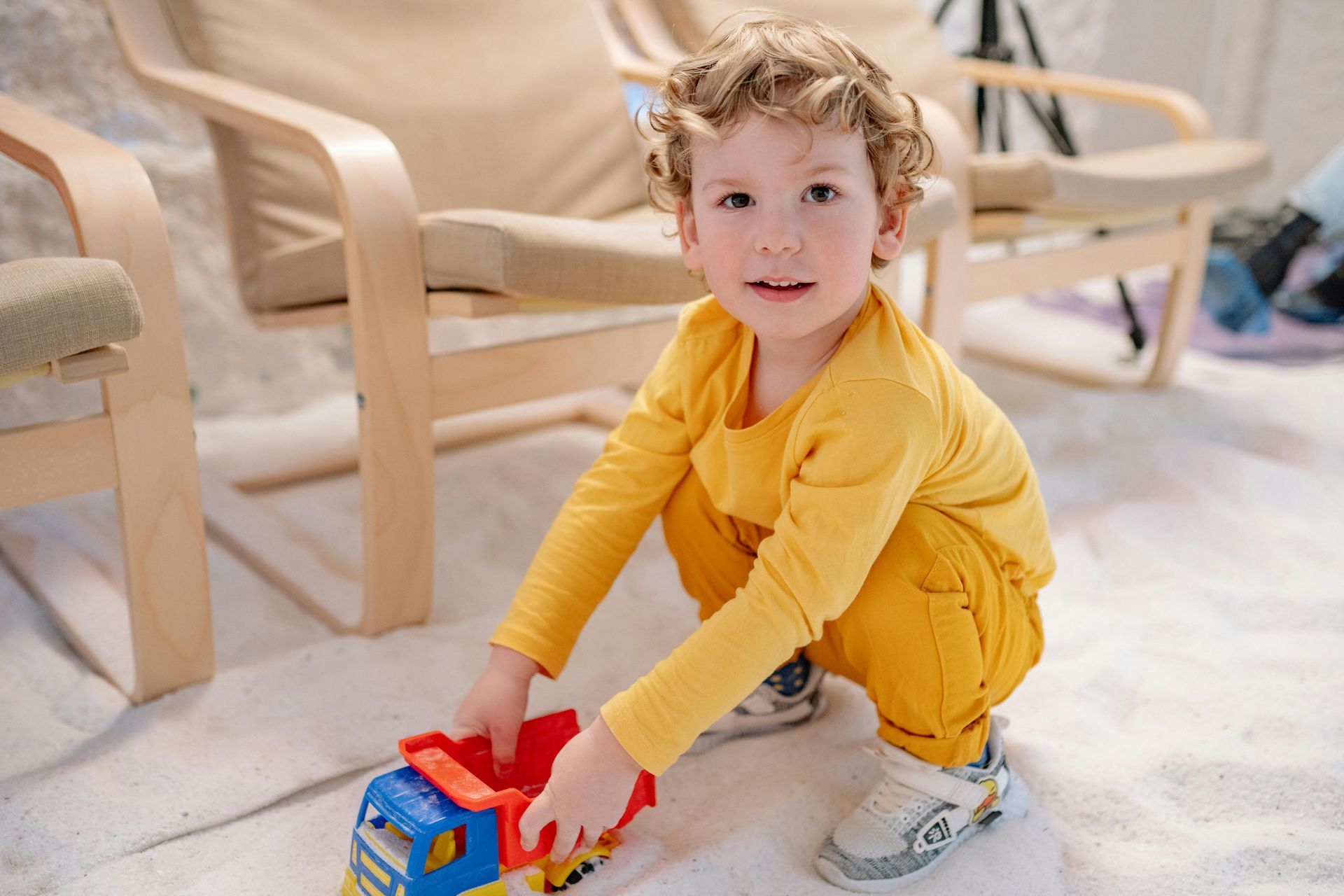

Pediatric Occupational Therapy in Miami: What It Is, Who It Helps, and What to Expect
Your child's pediatrician mentioned occupational therapy at your last visit. Or maybe their teacher sent home a note suggesting an evaluation. Or maybe you have been watching your child struggle with things that seem like they should come naturally, getting dressed, holding a pencil, managing big emotions, tolerating the texture of certain foods, and you have started wondering on your own whether there is something more you could be doing to help. Whatever brought you here, you are asking exactly the right question at exactly the right time.
Pediatric occupational therapy is one of the most effective and most misunderstood interventions available for children with developmental, sensory, motor, and behavioral challenges. Most parents have heard of it. Far fewer understand what a pediatric OT actually does with a child, what conditions it addresses, or what real progress looks like when it is working. This post gives you the complete, honest picture so you can make an informed decision for your child and your family.
In this guide you will find clear answers to the questions parents ask most often about pediatric OT, including what it is, who it helps, what to expect from an evaluation and from sessions, what degree a pediatric OT holds, and why in-home OT in Miami offers something that a clinic environment simply cannot replicate. Your child deserves occupational therapy that meets them where they actually live.
In case you are new here, I am Erika, a pediatric occupational therapist and the founder of Play2Learn Plant2Grow an in-home pediatric OT services. I work with children and their families inside their homes, their routines, and their real daily rhythms because I believe that is where real growth happens. If your child has been recommended for OT or if something in their development has been catching your attention, you are in the right place.
What is pediatric occupational therapy?
Pediatric occupational therapy is a specialized healthcare discipline that helps children develop the skills they need to participate fully and independently in the occupations of daily life. The word occupation in occupational therapy refers not to a job but to the meaningful activities that make up a person's daily existence. For a child, those occupations include playing, learning, getting dressed, eating, managing personal hygiene, participating in school, connecting with peers, and navigating the sensory and physical demands of the environments they move through every day.
When any of those occupations are significantly more difficult for a child than they should be given their age and developmental stage, a pediatric OT is the specialist trained to figure out why and to build a targeted plan to address it. Pediatric OT does not treat a diagnosis. It treats the functional impact of that diagnosis or developmental difference on your child's real daily life. That distinction matters because it means OT is always grounded in what your child actually needs to be able to do, not just in a clinical category or a test score.
Pediatric OT draws from multiple frameworks including sensory integration theory, neurodevelopmental treatment, motor learning theory, behavioral approaches, and play-based intervention. A skilled pediatric OT selects and combines these frameworks based on what your individual child needs rather than applying a single rigid approach to every child they see.
What does a pediatric OT do?
A pediatric OT assesses your child's development across multiple domains including sensory processing, fine motor skills, gross motor coordination, visual motor integration, self-care and daily living skills, play skills, social participation, emotional regulation, and cognitive skills like attention, sequencing, and problem solving. Based on that assessment, the OT identifies which specific skills are underdeveloped or missing and determines which underlying factors are driving those gaps.
From there, the OT designs and delivers a targeted intervention plan that builds the skills your child needs through play-based, child-directed activities chosen specifically to address the underlying deficits in a way that feels engaging and meaningful to your child. The OT also works closely with you as the parent to make sure you understand your child's profile, know how to support their development between sessions, and feel genuinely empowered rather than sidelined in your child's therapeutic process.
A pediatric OT also collaborates with other members of your child's support team including teachers, speech-language pathologists, physical therapists, psychologists, and pediatricians to make sure the intervention plan is coordinated and consistent across all the environments your child navigates. That coordination is especially important for children with complex profiles who are receiving multiple types of support simultaneously.
What does an OT do with a child during a session?
This is the question parents most often ask after they have been told their child needs OT, and the answer usually surprises them. A pediatric OT session rarely looks like sitting at a table doing drills or exercises. It looks like play. Specifically, it looks like a carefully designed, purposeful play chosen to build the exact skills your child needs in a way that feels genuinely fun and engaging rather than clinical or demanding.
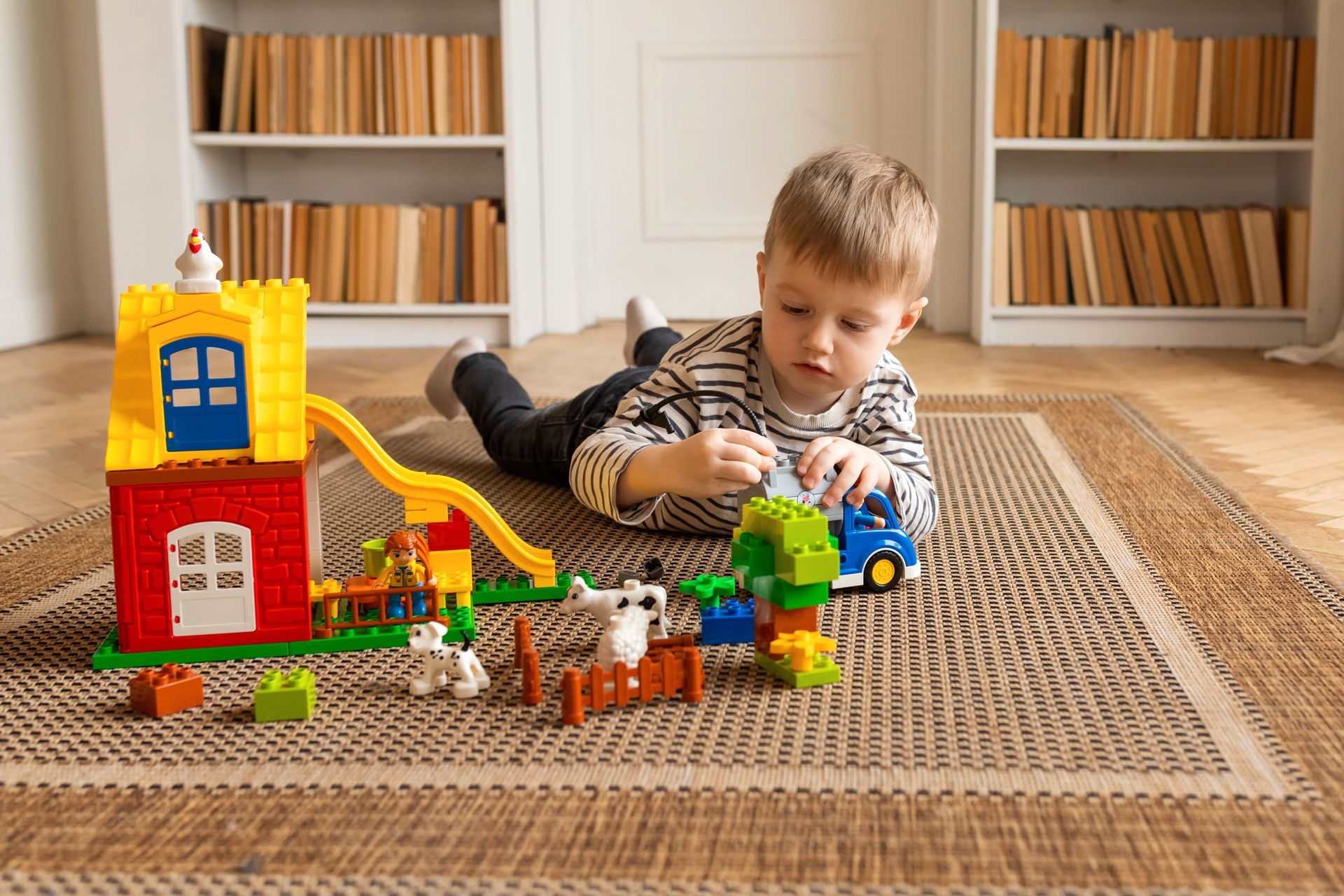
Depending on your child's age, profile, and goals, a session might include swinging and climbing activities that provide organizing vestibular and proprioceptive input to the nervous system. It might include sensory bin exploration, fine motor games, obstacle courses, art projects, or construction activities that build hand strength and coordination. It might include structured play scenarios that practice sequencing, motor planning, and social interaction. It might include breathing and body-based regulation strategies woven into movement activities that help your child build the self-regulation skills they need to manage big emotions and transitions.
Throughout the session the OT is constantly observing your child's nervous system responses, reading their engagement level, their stress signals, and their capacity for challenge, and adjusting the activity in real time to keep your child in the optimal zone for learning and growth. This clinical reasoning process is happening continuously beneath what looks like simple play. It is sophisticated, highly skilled work that produces real and lasting results when it is done well.
Who does pediatric OT help?
Pediatric OT helps children across a very wide range of developmental profiles, diagnoses, and challenges. It is not only for children with a formal diagnosis. It is for any child whose ability to participate in the occupations of daily life is significantly impacted by developmental, sensory, motor, or behavioral challenges, regardless of whether those challenges have a named diagnosis attached to them.
Parents often wonder whether their child's challenges are significant enough to warrant OT, or whether they should wait and see if their child grows out of it. The answer I give consistently is this: if your child's challenges are affecting their daily functioning, their confidence, their ability to participate in school or social situations, or your family's quality of life on a regular basis, that is enough of a reason to seek an evaluation. Waiting is the one strategy that consistently makes things harder, not easier.
Conditions and challenges pediatric OT addresses
Pediatric OT commonly addresses autism spectrum disorder, where it helps with sensory processing, daily living skills, fine motor development, emotional regulation, and social participation. It addresses sensory processing disorder, where it builds the nervous system's capacity to receive, organize, and respond to sensory input more efficiently and with less distress. It addresses attention deficit hyperactivity disorder, where it builds self-regulation, organizational skills, and the sensory and motor foundations that support attention and learning.
Pediatric OT also addresses developmental coordination disorder, which affects a child's ability to learn and perform coordinated motor tasks, and dyspraxia, which is a difficulty with motor planning and the sequencing of physical actions. It addresses cerebral palsy and other neuromotor conditions, where it builds functional movement, independence in self-care, and access to assistive technology. It addresses learning disabilities including dysgraphia, where it builds the fine motor and visual motor foundations that handwriting depends on. And it addresses feeding disorders, anxiety, hypermobility, and a wide range of developmental delays that do not fit neatly into a single diagnostic category.
What all of these conditions share is that they affect a child's ability to participate fully and independently in the daily occupations that matter for their development, their education, and their quality of life. That shared impact is what makes OT the right intervention across such a wide range of presentations.
Can OT help with hypermobility?
Yes, and this is an area where OT is particularly valuable and frequently underutilized. Hypermobility, which refers to joints that move beyond the normal range of motion due to increased laxity in the connective tissue, affects a significant number of children and is associated with a range of functional challenges that OT is well positioned to address.
Children with hypermobility often have reduced proprioceptive awareness, meaning they have difficulty sensing where their body is in space and how much force they are using, because their joints do not provide the same degree of sensory feedback that typically mobile joints do. This reduced proprioceptive feedback affects fine motor control, handwriting, coordination, and the ability to grade movement appropriately for different tasks. It also contributes to fatigue because hypermobile children often use more muscular effort than their peers just to stabilize their joints during ordinary activities.
OT addresses hypermobility by building the core and proximal stability that reduces the demand on hypermobile joints, improving proprioceptive awareness through targeted sensory input, building strength and endurance through graduated activity, and teaching the child compensatory strategies for tasks where hypermobility creates specific functional challenges. For children with hypermobility related conditions like Ehlers-Danlos syndrome or generalized joint hypermobility syndrome, OT is typically a core component of a multidisciplinary management plan.
What to expect from pediatric OT evaluation and sessions
Understanding what the evaluation and session process actually looks like helps parents feel prepared and confident going into the experience rather than anxious about the unknown. The process is always collaborative, always child-centered, and always designed to give you the clearest possible picture of your child's strengths as well as their areas of need.
What happens during a pediatric OT evaluation
A pediatric OT evaluation is a comprehensive assessment of your child's development across all the domains relevant to their daily functioning. It typically begins with a detailed intake conversation with you as the parent, during which the OT gathers information about your child's developmental history, your specific concerns, what daily life looks like in your home, and what goals you have for your child's progress. This conversation is essential because you know your child better than any assessment tool ever will, and the information you provide shapes how the OT interprets everything they observe.
The evaluation itself combines standardized assessment tools with structured clinical observation of your child engaged in functional tasks. Standardized tools might include the Sensory Processing Measure, the Beery Visual Motor Integration test, the Bruininks-Oseretsky Test of Motor Proficiency, the Peabody Developmental Motor Scales, or other assessments chosen based on the specific areas of concern. Clinical observation includes watching how your child sits, moves, holds tools, manages transitions, responds to sensory input, and engages with the tasks presented.
Following the evaluation, the OT provides you with a clear summary of findings, including your child's specific strengths and areas of need, the underlying factors driving any functional challenges identified, and a recommended intervention plan with specific goals. A good evaluation leaves you feeling informed and empowered rather than overwhelmed. You should leave knowing not just what your child's challenges are but why they are happening and what can be done about them.
What does a pediatric OT session look like?
After the evaluation, sessions are designed around your child's specific goals and are updated regularly as your child progresses. Each session is structured to provide the right type and amount of sensory and motor input for your child's nervous system on that particular day, because your child's regulatory state varies from day to day and a skilled OT reads and responds to that variability rather than following a rigid predetermined script.
Sessions are typically between 45 and 60 minutes in length. They begin with a brief check-in about how your child is doing that day and how things have been going at home since the last session. The body of the session involves the therapeutic activities chosen to target your child's goals, always presented in a way that is engaging and appropriately challenging for your child's current level. Sessions end with a brief wind-down and a debrief with you about what was observed and practiced and what you can carry forward at home before the next session.
Progress in OT is cumulative and gradual. Some children show noticeable changes within a few weeks. Others build more slowly over several months. The pace depends on your child's age, the nature and complexity of their challenges, the frequency of sessions, and how consistently the strategies are practiced at home between sessions. Regular communication between you and your child's OT is essential for keeping the plan relevant and responsive as your child grows and changes.
What degree is required for pediatric OT?
In the United States, occupational therapists are required to hold at minimum a master's degree in occupational therapy from an accredited program. Since 2027, the entry-level degree for new OT practitioners will be a clinical doctorate, the OTD, which means the educational requirements for the profession are increasing to reflect the complexity and scope of the work OTs do. All occupational therapists must also pass the national certification examination administered by the National Board for Certification in Occupational Therapy and hold a state license to practice in the state where they work.
Pediatric OTs typically pursue additional specialized training beyond their entry-level degree, including advanced coursework in sensory integration theory and practice, certification in specific assessment tools, and clinical mentorship in pediatric settings. Some pediatric OTs pursue the Sensory Integration and Praxis Tests certification or the Certificate in Sensory Integration, which represent advanced specialization in sensory processing assessment and intervention. When choosing a pediatric OT for your child, it is entirely appropriate to ask about their specific training, certifications, and experience working with children who have a profile similar to your child's.
I hold a degree in occupational therapy and have pursued specialized training in pediatric sensory integration, play-based intervention, and the nature-based and mindfulness-informed approaches that distinguish the work I do at Play2Learn Plant2Grow from more traditional pediatric OT frameworks.
In-home pediatric OT in Miami: what makes it different
Clinic-based pediatric OT is a legitimate and valuable option for many families. But in-home OT offers something that a clinic fundamentally cannot provide: the ability to assess and treat your child's challenges inside the actual environments where those challenges show up every day. The breakfast table where your child melts down every morning. The bathroom where getting dressed takes forty-five minutes. The homework corner where the pencil becomes a source of tears. The bedroom where falling asleep feels impossible. These are the environments where your child's challenges live, and these are the environments where the most meaningful and transferable intervention can happen.
When I work with your child in your home, I can see your child's actual chair height, their actual lighting, their actual sensory environment, and the specific triggers and patterns that a clinic evaluation would never reveal. I can build strategies into your family's real routines rather than creating therapeutic plans that need to be translated from a clinic setting into daily life. And because you are present in every session, you build a deep and practical understanding of your child's nervous system that makes you a far more effective support for your child in every moment of every day.
In Miami and South Florida, in-home pediatric OT also means I can work with your child in the outdoor spaces and natural environments that are part of life here. At Play2Learn Plant2Grow, I bring a sensory and nature-based approach to pediatric OT that uses gardening, planting rituals, and engagement with natural materials as therapeutic tools. The grounded, rhythmic, multi-sensory experience of working with soil, water, and plants offers a form of nervous system regulation that many children respond to with remarkable openness and joy. It is therapy that feels like life. And for a child who has learned to resist or dread therapeutic activities, that shift changes everything.
Your child deserves occupational therapy that meets them where they live
Pediatric occupational therapy is not a last resort. It is not only for children with severe delays or complex diagnoses. It is for any child whose daily life is harder than it needs to be because of developmental, sensory, motor, or regulatory challenges that the right support could address. The earlier that support begins, the easier it is to build the foundations that everything else depends on. And the closer that support is to your child's real daily life, the more sustainable and meaningful the progress becomes.
At Play2Learn Plant2Grow, I offer in-home pediatric OT services across Miami and South Florida that meet your child where they are, inside your home, your routines, and your family's real rhythm. I work alongside you so that what we build together does not stay in the session. It becomes part of how your child moves through every day.
If you are looking for an occupational therapist in Miami, FL, I serve families across Coral Gables, Coconut Grove, Miami Beach, Brickell, Doral, and throughout South Florida.

Hi! I'm Erika Valdes Certified and Licensed Occupational Therapist (OTR)
Erika Valdes, OTR/L is a licensed occupational therapist with over 15 years of clinical experience supporting children and adolescents across school, home, and community environments.
Download my free guide