What is pediatric occupational therapy and how does it help your child grow?
You are sitting across from a teacher, a pediatrician, or a specialist, and they say it: "Have you considered occupational therapy?" And just like that, your mind starts racing. What does that even mean? Is something wrong with my child? Where do I even begin? If that moment sounds familiar, you are in the right place. This blog is going to walk you through everything you need to know about what occupational therapy is, how it works, who it helps, and what it actually looks like when therapy happens in the context of real life: your home, your routines, your child's world.
Because here is what I want you to know before we go any further: occupational therapy for children is not a label, a last resort, or a sign that something is broken. It is one of the most powerful, play-based, whole-child approaches to growth that exists, and it often changes everything.
In case you are new here, I am Erika, a pediatric therapist based in Miami, and I support children, teens, and families through a soulful blend of evidence-based therapy, sensory play, and mindful movement. If you want to understand more about what guides my work with kids, you can explore occupational therapy for children and see how I approach every child as a whole person, not a checklist.
What is occupational therapy?
The word "occupation" throws a lot of people off. Most of us hear it and think about jobs, careers, nine to five. But in the world of therapy, occupation means something much broader and much more beautiful. It refers to any meaningful activity that a person engages in across their day: eating breakfast, getting dressed, playing with a friend, holding a pencil, transitioning from one room to another. For a child, their occupations are their daily life. And when those daily moments feel hard, frustrating, or impossible, that is where occupational therapy steps in.
Occupational therapy is a healthcare discipline rooted in the belief that when people can participate fully and meaningfully in the activities that matter to them, their quality of life improves. For children, this translates directly into confidence, independence, and regulation. It is not about fixing what is wrong. It is about building what is needed so a child can show up fully in their world.
Where does the word "occupation" come from in therapy?
The roots of occupational therapy go back over a century, grounded in the idea that purposeful activity is healing in itself. Early practitioners understood that humans need meaningful engagement to thrive, not just medically, but emotionally and neurologically. When we do things that feel purposeful, our nervous systems settle, our confidence grows, and our capacity for connection deepens. That foundational belief has never changed. What has evolved is how we apply it, especially with children, where play is the primary occupation and the most powerful vehicle for growth.
What does an occupational therapist do in a session?
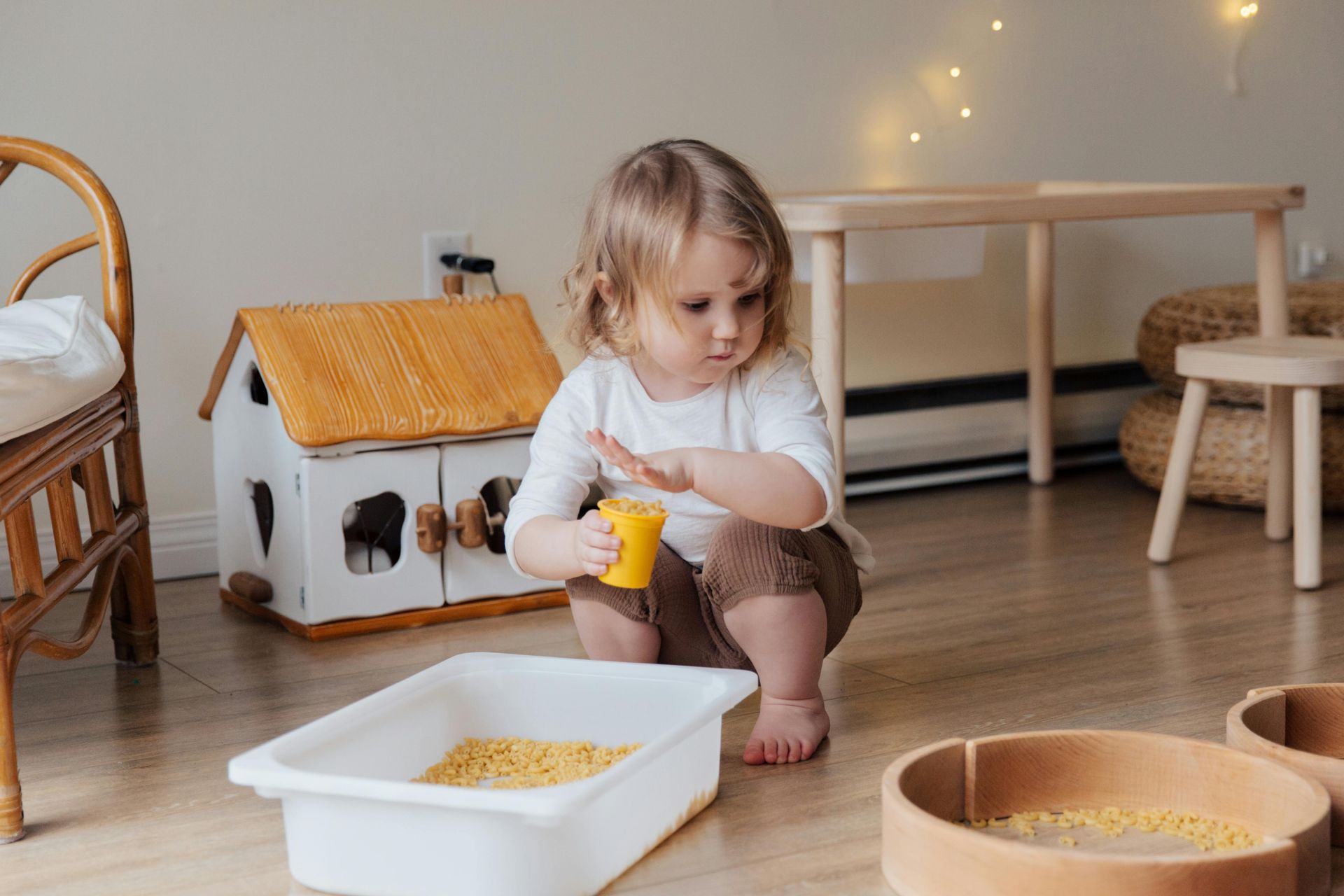
In a session with me, you will not find flashcards on a table or a child sitting still for an hour. What you will find is movement, play, intention, and a whole lot of joy with a purpose behind it. A session might involve a child crawling through a tunnel to build core strength and body awareness, using kinetic sand to regulate their sensory system, practicing the precise movements needed to zip a jacket or hold scissors, or working through a transition that usually ends in tears. Every activity is chosen with a specific goal in mind, but it never feels like work. It feels like play. Because for children, it should.
How does occupational therapy help children specifically?
Pediatric occupational therapy is one of the most versatile and impactful supports available to families. It addresses a wide range of developmental areas, and the earlier support begins, the more powerful the results.
What skills does pediatric OT focus on?
Pediatric OT covers a broad and deeply interconnected set of skills. Fine motor development covers the small, precise movements of the hands and fingers needed for writing, cutting, buttoning, and feeding. Gross motor development covers the coordination, strength, and body awareness needed for jumping, climbing, balancing, and navigating space. Sensory processing covers how a child receives and responds to information from their environment, from textures and sounds to movement and light. Self-care skills include dressing, brushing teeth, washing hands, and the thousand tiny tasks that make up a morning routine. And emotional regulation covers the ability to move through big feelings without getting swept away by them.
Each of these areas connects to the others. A child who struggles with sensory processing often struggles with transitions. A child with low core strength may have difficulty sitting still in a classroom. Nothing happens in isolation, and that is exactly why occupational therapy looks at the whole child, not just one piece of the puzzle.
At what age can children start occupational therapy?
Children can begin occupational therapy as early as infancy. Early intervention, typically defined as support provided before the age of three, is one of the most research-backed approaches in pediatric development. The brain is most plastic and responsive in those early years, meaning the window for growth is wide open. That said, OT is equally powerful for toddlers, school-age children, and teens. I work with children across all ages, and the principles remain the same regardless of where a child is in their development: meet them where they are, build on what they have, and trust the process.
Can occupational therapy help with emotional regulation in kids?
Absolutely, and this is one of the areas I am most passionate about. Emotional regulation is not a behavior problem. It is a nervous system skill. When a child melts down over a sock seam or falls apart during a transition, what you are witnessing is a dysregulated nervous system searching for safety. Occupational therapy helps children build the internal tools they need to move through those moments through sensory strategies, co-regulation, breathwork, and play-based activities that literally rewire how the nervous system responds to stress. If this resonates with where your child is right now, you can learn more about my approach to emotional regulation therapy and what that looks like in practice.
What conditions or challenges does occupational therapy treat?
One of the most important things I tell every family I work with is this: you do not need a diagnosis to benefit from occupational therapy. OT supports children across a wide spectrum of needs, from developmental delays and sensory processing differences to ADHD, autism, cerebral palsy, and anxiety. But it also supports children who are simply struggling with the daily demands of growing up in a world that moves fast and asks a lot of their developing nervous systems.
How does OT help children with sensory processing challenges?
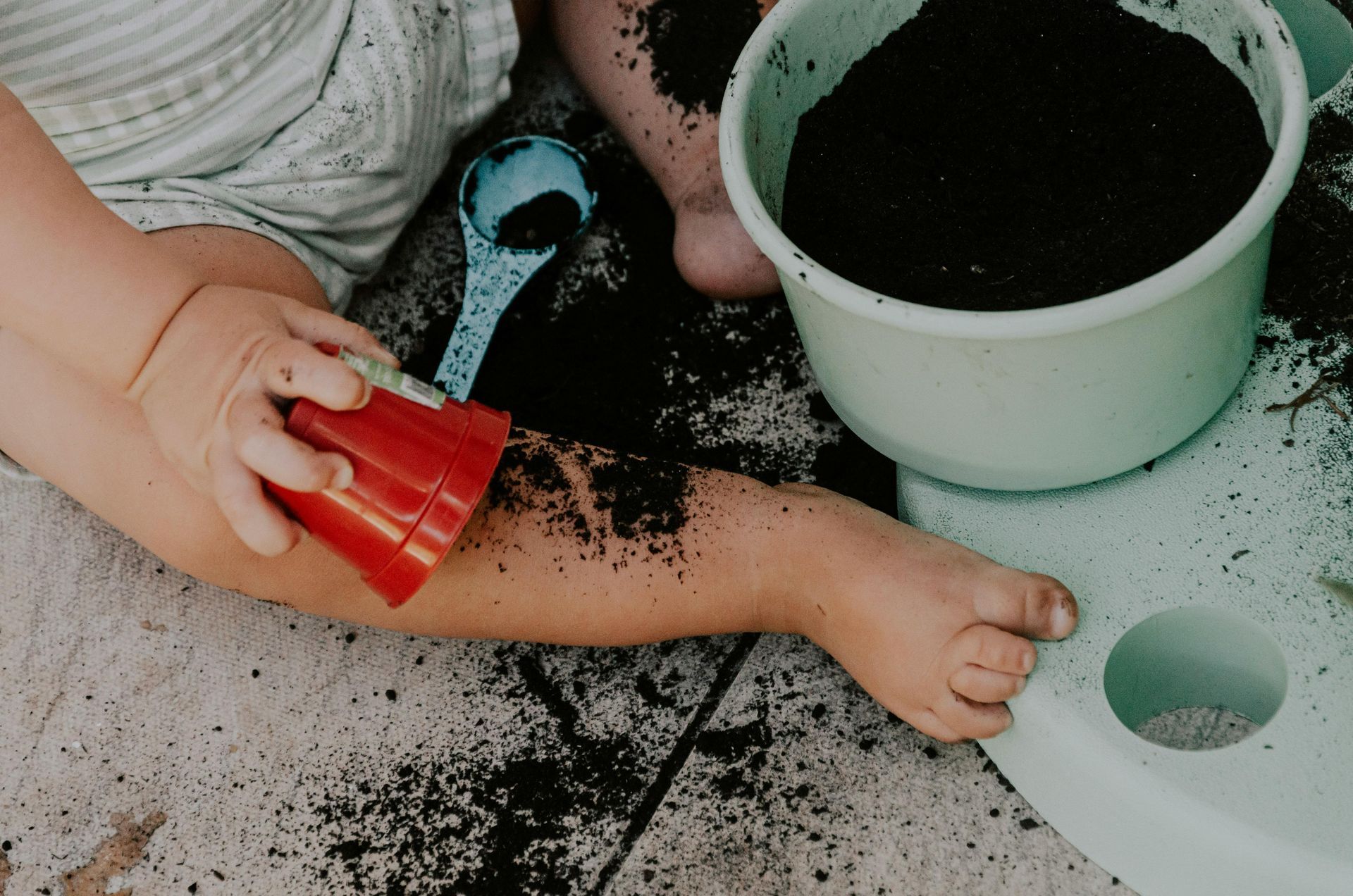
Sensory processing is the way the brain receives, organizes, and responds to information from the body and environment. For some children, this process works differently. Certain textures feel unbearable, sounds that others ignore feel overwhelming, or the body craves intense physical input just to feel regulated. These are not behavioral choices. They are neurological realities. Occupational therapy addresses sensory processing challenges through a framework called sensory integration, a carefully designed approach that provides the nervous system with the input it needs to find balance. In my practice, I weave sensory work into everything, from the way we move to the materials we use, including the grounding, rhythmic quality of nature-based play and planting rituals that calm the body while building focus.
What fine motor skills does occupational therapy address?
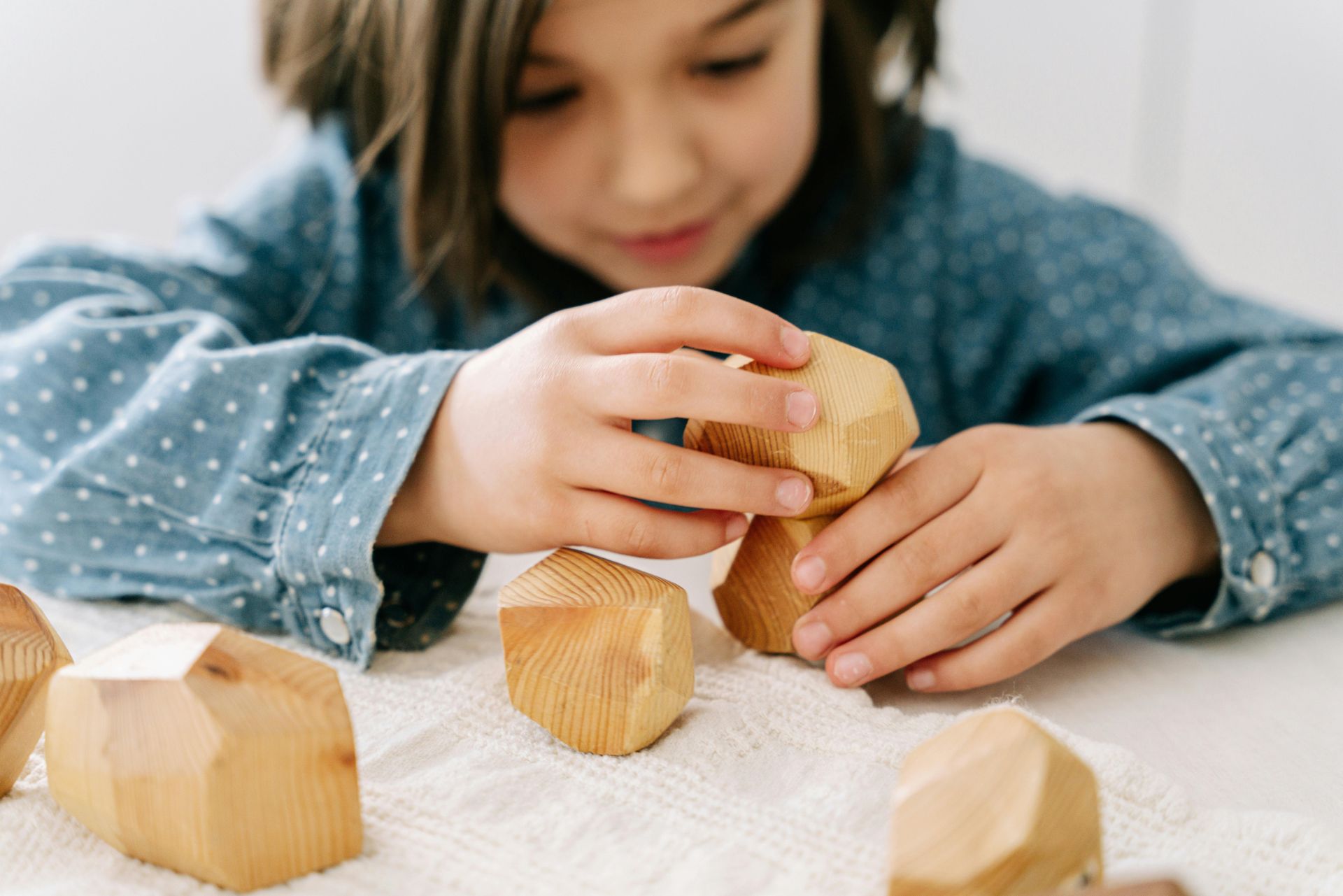
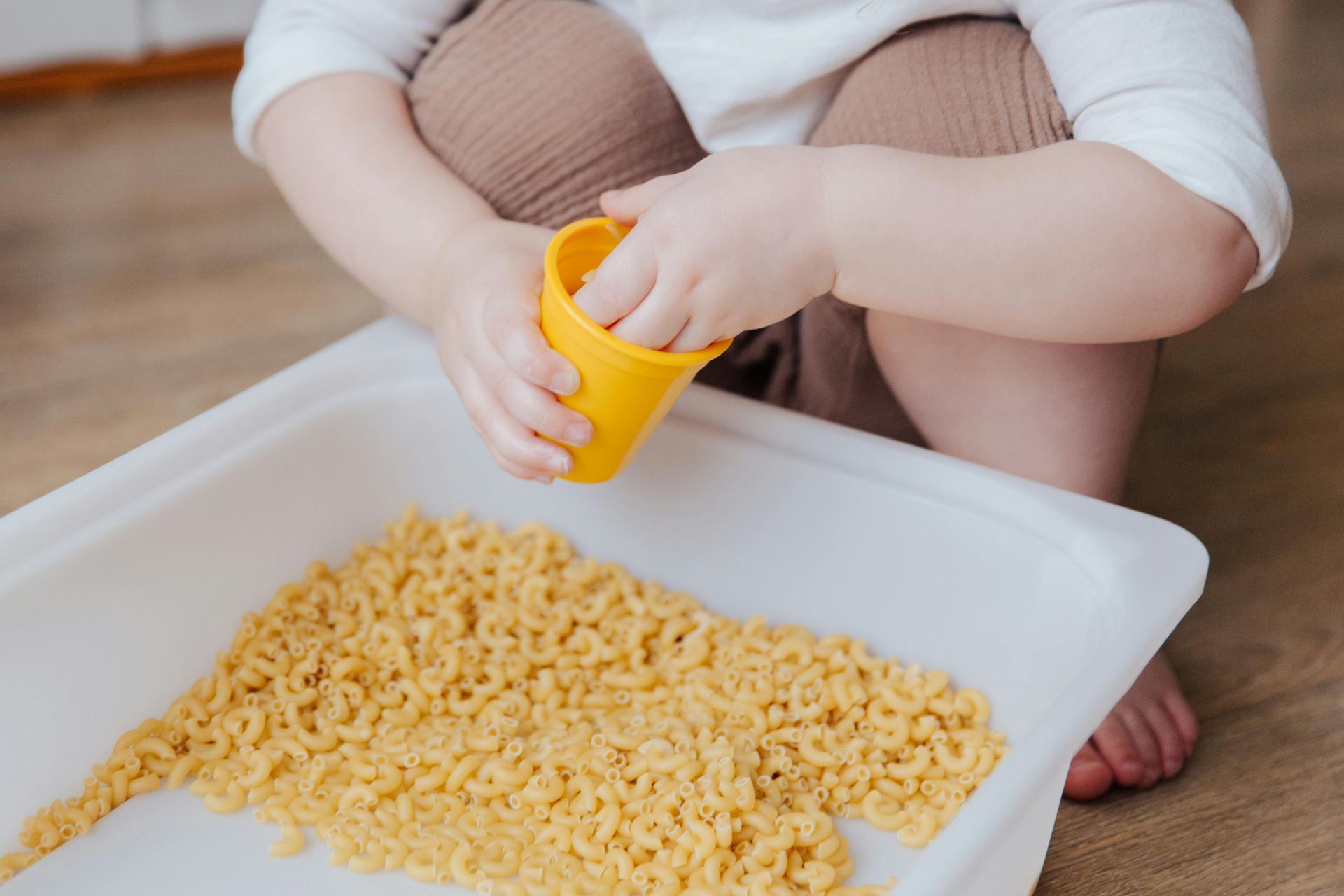
Fine motor skills are the foundation of so many daily tasks that adults take for granted. Holding a crayon without tiring. Cutting along a line. Fastening a button. Spooning food without spilling. For children who struggle in these areas, daily life can feel like a series of small failures, and that accumulates. OT builds fine motor strength and coordination through purposeful play: threading beads, squeezing playdough, using tweezers to sort small objects, practicing the exact grip patterns needed for handwriting. These are not random activities. Every single one is intentional, targeted, and disguised as fun.
Is occupational therapy only for children with diagnoses?
No. And I want to say that clearly because this misconception keeps too many families from getting support they genuinely need. You do not need a diagnosis to deserve help. If your child is struggling with transitions, with sensory overwhelm, with getting dressed in the morning, with focusing long enough to finish a meal, that is enough of a reason to seek an evaluation. OT is preventative as much as it is rehabilitative. Supporting a child early, before challenges compound, is one of the most generous things a parent can do.
What are the signs your child might need occupational therapy?
Parents often tell me they knew something felt different but they did not have the language for it. They had been told their child was "just hyper," "too sensitive," or "going through a phase." What is occupational therapy for, if not exactly those moments? The signs are not always dramatic. Sometimes they are quiet, cumulative, and easy to rationalize away. Here is what I want you to pay attention to.
What sensory red flags should parents watch for?
Watch for a child who is intensely bothered by clothing textures, tags, or seams. A child who covers their ears in environments that do not seem especially loud. A child who seeks out intense physical input like crashing, climbing, and spinning, or conversely, one who avoids movement and seems unusually cautious. A child who has strong negative reactions to certain foods based on texture. A child who seems overwhelmed in busy, bright, or noisy environments. None of these things alone mean something is wrong. But together, or in combination with other challenges, they are signals worth paying attention to, and an OT evaluation can provide enormous clarity.
What behavioral or developmental signs point to OT?
Beyond sensory signals, watch for difficulty with transitions where moving from one activity to another is consistently explosive or exhausting. Watch for struggles with self-care tasks that seem developmentally appropriate for their age. Watch for a child who has trouble sitting still long enough to complete a meal, a puzzle, or a school activity. Watch for emotional dysregulation that feels disproportionate to the situation. Watch for avoidance of fine motor tasks like coloring, cutting, or writing. These are not character flaws and they are not parenting failures. They are invitations to look deeper and to get support that actually helps.
What is the difference between occupational therapy and physical therapy?
This is one of the most common questions I hear from parents, and it is a great one. Both occupational therapy and physical therapy address movement and physical function, but they approach it from different angles. Physical therapy focuses primarily on large muscle groups, mobility, strength, and recovery from injury or surgery. It is concerned with how the body moves through space. Occupational therapy focuses on how a person uses their body to engage in meaningful daily activities. OT looks at the whole picture: sensory processing, fine motor skills, cognition, emotional regulation, and how all of those systems work together to support participation in life.
Do OT and PT ever work together?
Yes, and often beautifully. Many children receive both OT and PT concurrently, especially when there are overlapping needs around gross motor development, core strength, and sensory processing. The two disciplines complement each other well. A physical therapist might work on building the strength and coordination needed for a child to navigate the playground. An occupational therapist then helps that same child use their body to engage in the social, sensory, and self-care demands that come with being on that playground. When the two work in tandem, children often make faster, more integrated progress.
What does in-home occupational therapy look like?
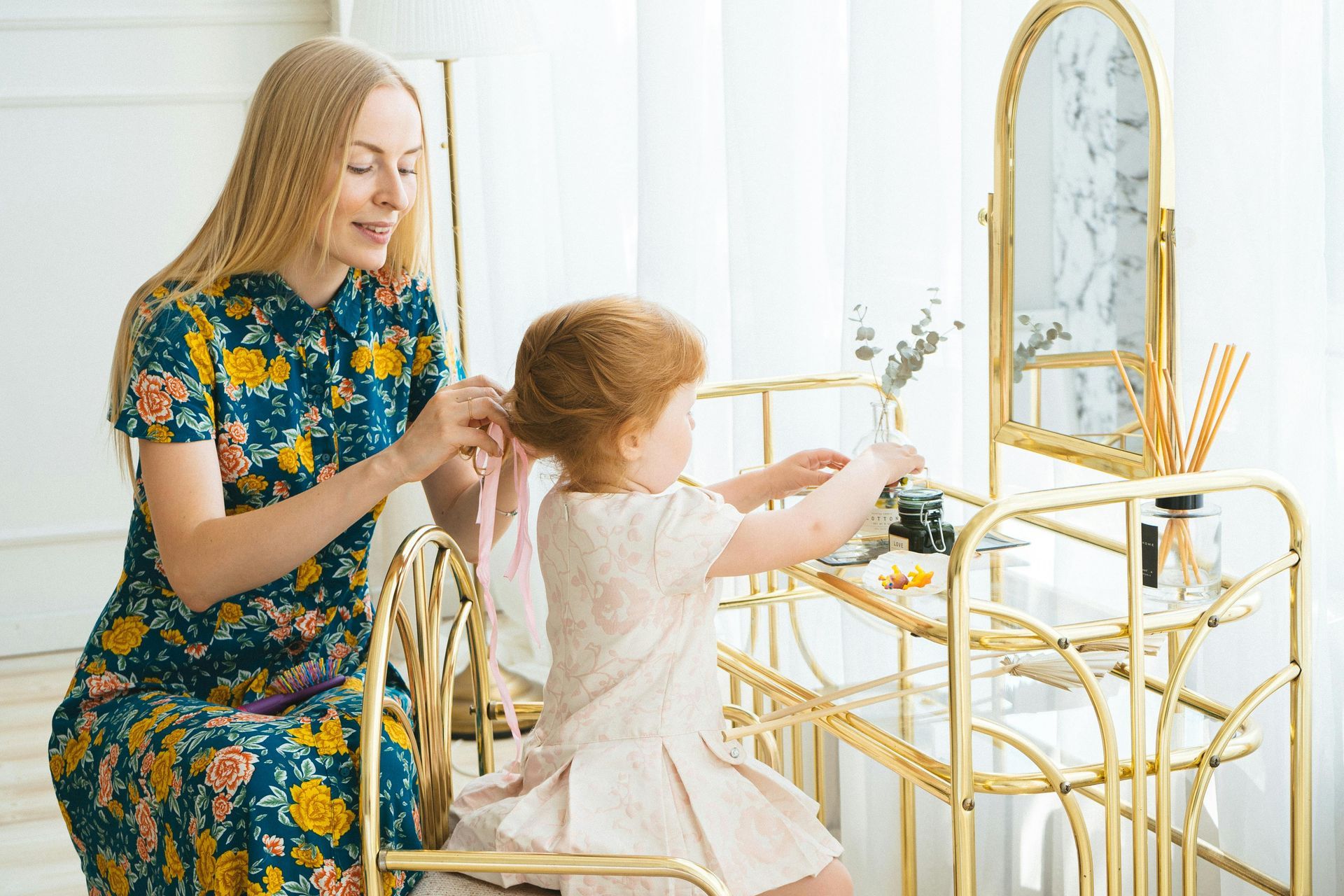
When I say I do in-home therapy, I mean something very specific: I come to your world. I work in the space where your child actually lives, eats, plays, and has their hardest moments. And that changes everything. Clinic-based therapy has its place, but it asks a child to perform skills in an unfamiliar environment and then transfer them to real life. In-home occupational therapy removes that gap entirely. We practice putting on socks in the room where it actually happens. We work on transitions in the hallway that usually turns into a standoff. We build routines around your kitchen table, your morning rhythm, your child's actual life.
Why does therapy at home work differently than in a clinic?
Because generalization, the ability to take a skill learned in one setting and apply it in another, is one of the hardest things for developing nervous systems to do. When therapy happens in the home, that generalization gap disappears. Skills are learned and practiced exactly where they need to be used. Parents are present and involved, which means the strategies do not live only in a session. They live in the daily rhythm of the family. That is the model I believe in. Therapy that becomes a ritual, not an appointment. Healing that happens in life, not just in sessions.
How long does occupational therapy take to show results?
This is one of the most honest conversations I have with families. Progress in occupational therapy is real, but it is not always linear, and it does not always look the way you expect. Some children show shifts within weeks. Others need months of consistent, layered support before the changes become visible. What I always tell parents is this: progress is messy, playful, and sometimes covered in kinetic sand. The day your child puts on their shoes without a meltdown is a result. The morning they sit through breakfast without leaving the table is a result. The moment they say "I can do it" and actually mean it, that is the whole point. Trust the process. Water what you are growing.
You are not behind, you just need support that moves at your rhythm
If you have read this far, something in you is already paying attention. Maybe you recognized your child in one of these sections. Maybe you felt a little less alone in the questions you have been carrying. That matters. What is occupational therapy, at its core? It is the belief that every child deserves to feel capable, regulated, and fully alive in their body. It is the practice of meeting children exactly where they are and walking with them, playfully and intentionally, toward who they are becoming.
You do not need a diagnosis to deserve support. You need presence, rhythm, and someone who sees the whole picture. That is what I am here for.
If you are in the Miami area and wondering whether occupational therapy could support your child's growth, I would love to connect. Whether your child is navigating sensory sensitivities, fine motor delays, emotional dysregulation, or simply struggling with the daily demands of growing up, there is support available that meets your family where you are.
Explore what occupational therapy in Miami Beach, FL looks like with Play2Learn Plant2Grow and let's start growing together.

Hi! I'm Erika Valdes
A pediatric occupational therapist, former elementary school teacher, and plant ritual facilitator
Download my free guide